How Do Batch Numbers Help Verify Mānuka Honey Quality?
September 25, 2026
Share this post


- A batch number links a jar or shipment to its production and testing records, but it only means something when those records are genuine.
- UMF-certified honey requires a further layer of checking, because licence and batch details can be matched against that honey’s certification records.
A Mānuka honey batch number, also called a lot number, identifies a production ‘lot’ - a specific quantity of honey that’s been produced, or packed together. That lot has its own testing records, and the batch number links the specific jar or shipment to them. This helps to verify the product’s authenticity.
For UMF-certified honey, batch and licence details can also be checked against certification records. However, a batch number alone doesn’t prove authenticity - it only helps when the laboratory results and traceability records that points to are genuine.
See the below table to better understand the definitions for this article:
What Is A Mānuka Honey Batch Number?
A batch number is a code given to a defined quantity of honey during production or packing. It lets a manufacturer connect a particular jar, drum or shipment to the sourcing, processing and quality-control records behind it. A Mānuka honey lot number does the same job under a different name, and the two terms are used interchangeably.
You will usually find the number on the back, side or base of a jar. It isn't the same as the UMF rating, which states a certified grade, and it isn't the same as the licence number, which identifies the licensed company.
Its everyday value is practical: if a question ever comes up, the number lets a producer investigate or recall exactly the right product.
Does a Batch Number Prove Mānuka Honey Is Genuine?
Not by itself. Anyone can print characters on a label. A useful batch number must connect to genuine supplier records, applicable laboratory testing and and product information. UMF-certified products add a further layer of verification, because licence and batch details can be checked through the UMF system. The number is the key to the evidence; it’s not the evidence itself.
A Mānuka honey authenticity batch number check really comes down to three questions. Does this number match a real production lot? Does that lot have laboratory results? And do those results match the grade and claims on the label?
Start with the UMF quality mark, licence number and batch number on the product. Confirm that the brand is licensed and, if the batch verification is available, match the batch against its certification information. If anything doesn’t align, request supporting documentation from the supplier.
Here’s a more comprehensive breakdown:
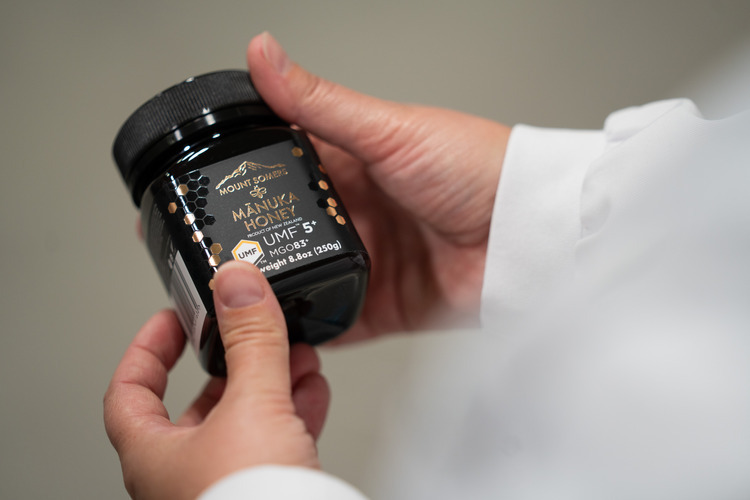
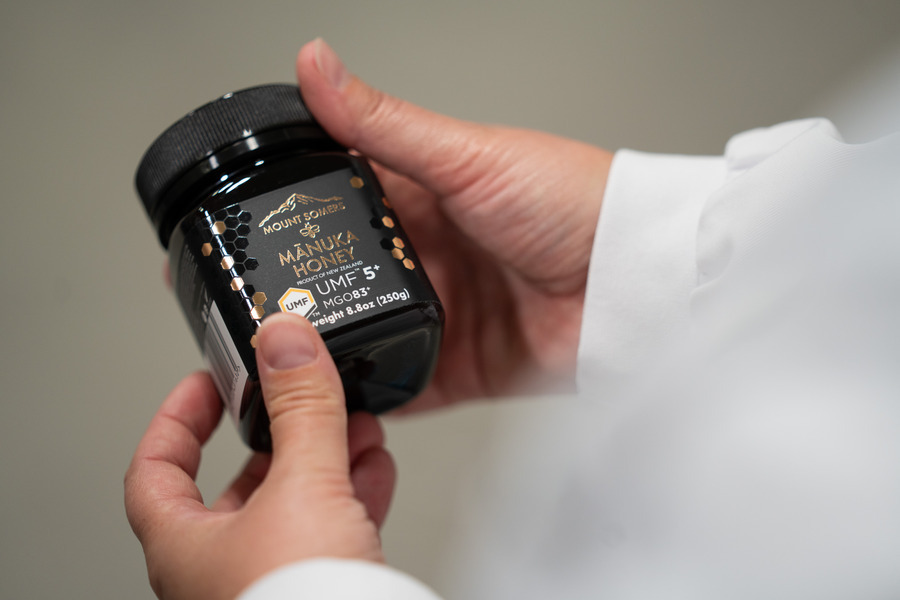
- Find the UMF quality mark. It sits on the front of the pack.
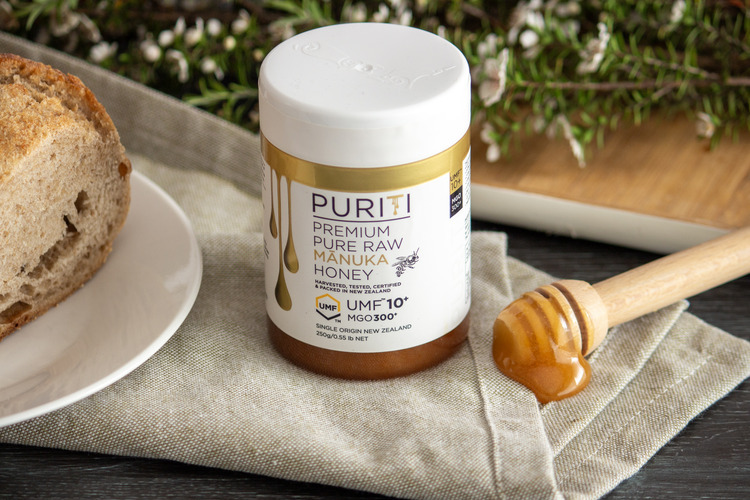
- Find the licence number. The UMF Honey Association describes it as a four-digit number specific to the licence holder, usually on the side or back of the jar. In Midlands’ case, our license number is #2888. This covers all four of our brands - so you’ll see the same number on PURITI, Mount Somers and Primal by Nature jars.
- Find the batch or lot number. It’s usually on the back or side of the jar, and its format varies by brand.
- Check UMFHA records. The UMFHA certification search lets you look up licence and batch details.
- Match the declared grade. The grade on the label should correspond with the certification record.
- Request the release certificate or COA when required. This is especially useful for commercial purchases.
- Confirm supplier details. The company name and contact details should correspond with the licence holder.
If you're only buying an individual jar, it takes just a few minutes to check the Mānuka honey batch number against the UMFHA search. Shoppers who want to verify Mānuka honey batch number details can also ask the brand directly for the matching test information. If the brand can't point you to anything, that's worth noting.
For a broader look at buying with confidence, visit our article on determining authentic Mānuka honey.
What Should a Batch Number Connect to Behind the Scenes?
For a strong traceability system, a batch number should connect the finished product to every record needed to investigate its origin and production history.
Each step links to the one before it, creating an unbroken chain from the jar or drum back to the apiary:
- Finished product: the batch or lot code on the jar, pail or drum is the starting point. It links to the packing record for that production run.
- Packing records: these show when and where the product was packed, the packaging materials used, and the final checks and release approval before dispatch. Each packing record links to the blend or bulk honey batch that was packed.
- Blending records: these show which incoming honey lots were combined, in what proportions, and the test results confirming the blend met its specification. Each blend links back to its incoming honey lots.
- Incoming honey: each lot carries its own test results, such as the Mānuka ‘identity’ and grade testing, along with harvest and extraction details. Each lot links to the beekeeper who supplied it.
- Beekeeper records: these identify who harvested the honey and when, along with hive management records for that season. Each beekeeper record links to the apiary sites the honey came from.
- Apiary locations: the registered apiary sites where the hives were placed, completing the chain back to the land and the flora the bees foraged on.
Here’s an example of how a batch number works in practice. Take an example number: 280522B1-1
A number ending in -2 would be the second product packed from the same blend. Each batch number is unique and never reused. That structure means a single Mānuka honey batch number can lead a trained team to the blend, the packing run and the source honey behind a jar.
What Is the Difference Between a Batch Number, UMF Licence and COA?
The exact test will depend on the product specification and the destination market. Three separate systems can apply to Mānuka honey, and each answers a different question.
- MPI’s Mānuka Honey Definition
For all New Zealand honey that’s exported and labelled as monofloral or multifloral Mānuka, the Ministry for Primary Industries (MPI) scientific definition uses four chemical attributes from nectar and one DNA marker from Mānuka pollen. Testing must be carried out by an MPI-recognised laboratory. This is a regulatory requirement. It decides whether honey meets the government definition of Mānuka, and whether it is monofloral or multifloral, but it does not grade potency or quality.
- UMF Certification
UMF is a separate quality and rating system with its own criteria, managed by the UMF Honey Association. It assesses MGO, leptosperin, DHA and HMF to assign a grade, such as UMF 10+ or UMF 20+. UMF certification is voluntary and licence-based, so only licensed producers can use the UMF mark, and it sits on top of MPI’s requirements rather than replacing them.
- Midlands Apiaries’ In-House Quality Checks
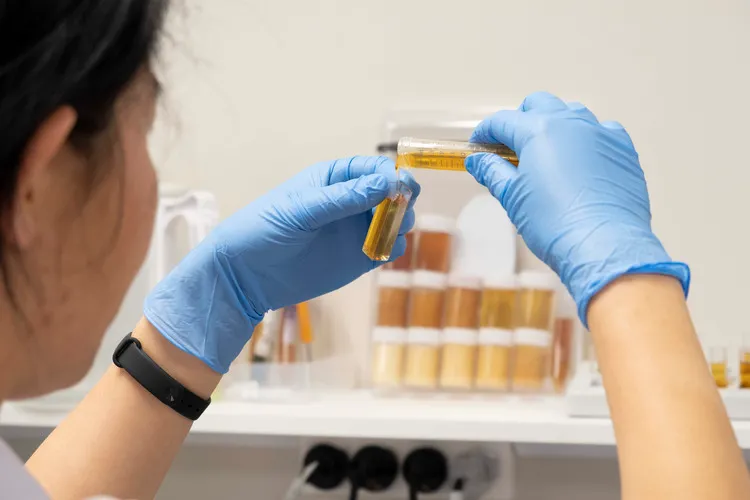
Our in-house laboratory screens every jar of monofloral Mānuka honey we seal for authenticity, potency, shelf life and freshness, and tests honey at each production stage. These checks are about meeting our own standards and our customers’ specifications. They complement MPI and UMF requirements but are not a substitute for either.
Because these are different tests with different purposes, a Certificate of Analysis will state which tests were run, which laboratory carried them out and which specification the results were assessed against.
Why Are Batch Numbers Particularly Important for Wholesale Buyers?
Commercial buyers need more than a label claim, because they may be responsible for hundreds or thousands of units from the same production run. Batch-level documentation enables incoming quality checks, specification matching, complaint investigation and recall management. It also keeps the supplier's records and your own quality system in step.
If you're buying in volume, a Mānuka honey authenticity batch number should correspond with documents you can actually review. Wholesale buyers who verify a Mānuka honey batch number before accepting stock protect their brand as well as their customers.
A B-2-B verification checklist
✅ Request the batch-specific COA before shipment
✅ Confirm the COA lists the tests and specification it was measured against
✅ Check that the batch number on the COA matches the drums, cartons and paperwork received
✅ Confirm which tests were run in-house and which were independently verified
✅ Ask whether the supplier's licence details can be checked with the relevant certification body
✅ Keep batch records on file in case of complaints or recalls
How Does Midlands Trace Its Mānuka Honey?
Midlands runs an integrated supply chain, so honey can be followed from hive through to finished product. Our in-house laboratory tests honey at each production stage, and independent IANZ-certified laboratories verify results. IANZ is New Zealand's accreditation body for testing laboratories. Results are available via certificates of analysis, validated against both Midlands' and customers' specifications. For commercial orders, we also provide full testing documents before shipment.
Our in-house quality assurance team maintains traceability across batches, so a Mānuka honey authenticity batch number can be followed back through our records. If you'd like to see how this works for a particular product, explore our Mānuka honey range or ask Midlands about batch-specific Mānuka honey documentation.
Find more answers
Frequently Asked Questions
Where is the batch number on Mānuka honey?
It’s usually on the back, side or base of the jar. You may see it labelled as a batch, lot or "LOT" number, and a Mānuka honey lot number can combine digits, letters and symbols depending on the brand's coding system.
Can I check a Mānuka honey batch number online?
For UMF-certified honey, yes. The UMFHA certification search accepts licence and batch details. Not every brand's batch can be searched publicly, though, so ask the supplier for supporting documentation where needed.
What is a Mānuka honey COA?
A certificate of analysis reports the analytical results for a specific batch. It supports verification, but it should always correspond with the batch number, specification and supplier details you're working with.
Does every genuine Mānuka jar need a batch number?
Packaged food is generally expected to carry a lot or batch identifier for traceability, and UMF-certified Mānuka honey carries one that links to its results. If a jar has no number, it's reasonable to ask the supplier why.
references



Quick Navigation
Contact our team

Steve Williams
BCom (Mgt Sc)
Seed Multiplication Sales Manager
Midlands Seed
+64 27 553 0846seed@midlands.co.nz



Tasman Walker
BCom (Mktg) | BSc (Psy)
Honey Sales - Asia & Australia
Midlands Apiaries
+64 27 237 6318honey@midlands.co.nz
Nick Kerr
BCom (Hons)
Honey Sales - North America & Europe
Midlands Apiaries
+64 27 807 9849honey@midlands.co.nz
Hamish Finnie
BSc (Food Sc. & Hum. Nutr.)
Honey Sales - Greater China Region
Midlands Apiaries
+64 27 405 1273honey@midlands.co.nz