Who Cannot Have Mānuka Honey? Safety, Risks and Precautions
May 28, 2026
Share this post



Mānuka honey is safe for most people, but certain groups - infants under 12 months, those with bee or honey allergies, diabetics, pregnant women and immunocompromised individuals - should avoid it or seek medical advice first.
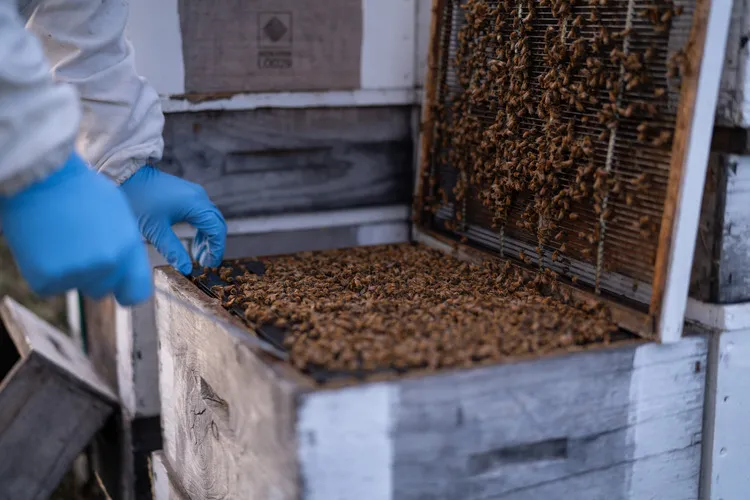
Mānuka honey is one of nature's most remarkable foods. Harvested from the pristine landscapes of New Zealand, it carries a unique concentration of bioactive compounds that have made it one of the most sought-after honeys in the world. At Midlands Apiaries, we're proud to produce some of the finest Mānuka honey available - and as a producer deeply committed to quality and food safety, we also believe it's our responsibility to make sure people use it wisely.
The truth remains that Mānuka honey is safe and beneficial for the vast majority of people. But, like any potent natural product, it isn't right for everyone. If you're wondering whether Mānuka honey is suitable for you, a family member, or a customer, this article gives you clear, honest guidance on who should approach it with caution - and why.
Quick Safety Guide: Who Can and Cannot Have Mānuka Honey
A Quick Overview of Mānuka Honey
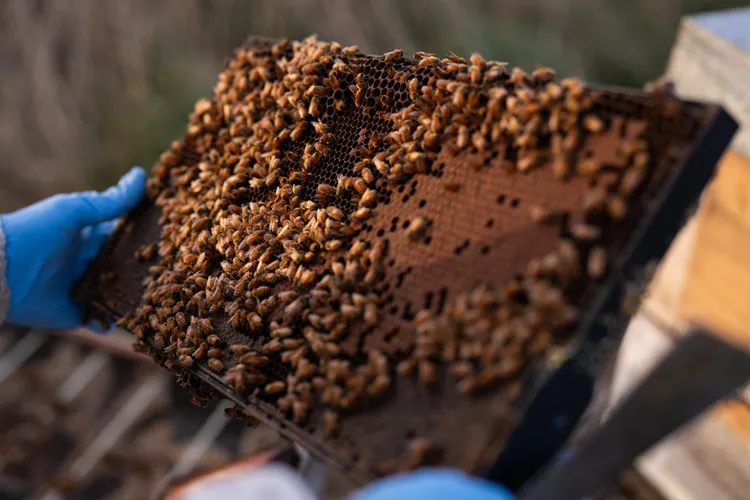
Mānuka honey is produced by bees that forage on the Leptospermum scoparium plant - the Mānuka tree - native to New Zealand. What sets it apart from regular honey is its high concentration of methylglyoxal (MGO), the compound responsible for its distinctive antibacterial properties.
Mānuka honey is graded using the Unique Mānuka Factor (UMF™) system, which independently verifies potency and purity. A higher UMF rating indicates a higher concentration of the key compounds - including MGO, leptosperin and DHA - that define genuine, premium Mānuka honey. This grading system gives consumers and retailers the confidence to know exactly what they're buying.
Many people incorporate Mānuka honey into their daily routines for its general wellbeing properties. But before doing so, it's worth understanding whether it's appropriate for your specific circumstances.
Mānuka honey is a natural product, but natural doesn't automatically mean it is universally safe. It contains natural sugars, plant compounds, and - in common with all honey varieties - trace levels of clostridium botulinum spores.
For most healthy adults, these present no concern whatsoever. However, for certain groups, these factors warrant real awareness. Understanding these contents isn't about fearmongering. It's all about making informed, responsible choices - something we at Midlands take seriously at every stage of our production and communication.
People Who Should Avoid or Limit Mānuka Honey
- Infants under 12 months
- People with bee or honey allergies
- People with diabetes
- Pregnant or breastfeeding women (with caution)
- Immunocompromised individuals
Infants Under 12 Months
This is the most important safety message in this article: babies under 12 months must not eat Mānuka honey because of the risk of infant botulism.
All honey can contain spores of clostridium botulinum, the bacteria responsible for infant botulism. In adults and older children, the digestive system is developed enough to prevent these spores from multiplying. In infants, however, the gut is not yet mature enough to defend against them. If ingested, the spores can germinate and produce a toxin that causes the infant botulism condition - a serious, potentially life-threatening illness.
This risk applies regardless of the quality or potency of the honey. Even the world's most rigorously tested Mānuka honey carries this risk for very young children. The guidance from health authorities worldwide is consistent and unequivocal: no honey for babies under 12 months.
After the age of one, children can generally enjoy honey safely, and many families find Mānuka honey a wonderful natural addition to the family pantry.
People with Bee or Honey Allergies
Anyone with a known allergy to bees or bee products should approach Mānuka honey with great caution. Honey can contain trace amounts of bee venom, pollen and other compounds that may trigger allergic reactions in sensitive individuals.
Reactions can range from mild symptoms - such as itching, hives, or a tingling sensation - to severe anaphylactic responses in more serious cases. If you have a known bee or honey allergy, or have ever experienced an allergic reaction after consuming honey, it's important to consult your doctor or allergist before trying Mānuka honey.
For B2B sellers and retailers, it's good practice to ensure your product labelling includes clear allergen information so that customers can make safe, informed choices.
People with Diabetes or Blood Sugar Management Issues
People with diabetes can have Mānuka honey in small amounts, but only with medical guidance. Mānuka honey is still honey - and honey is a concentrated source of natural sugars, primarily fructose and glucose. While Mānuka honey has a lower glycaemic index than some other sweeteners, it can still cause a meaningful rise in blood glucose levels.
For people managing Type 1 or Type 2 diabetes, or those with impaired blood sugar regulation, this is an important consideration. Consuming Mānuka honey - especially in larger amounts - can interfere with blood glucose control and may affect medication effectiveness.
This doesn't necessarily mean Mānuka honey is completely off the table for people with diabetes, but it should be treated with the same care as any sweetener. If you have diabetes or a related condition, speak with your GP or dietitian before incorporating Mānuka honey into your diet. Small amounts, carefully monitored, might be appropriate for some - but this is a decision best made with professional guidance.
Pregnant and Breastfeeding Women
There is no definitive evidence that Mānuka honey is harmful during pregnancy or breastfeeding, and many pregnant women consume honey without any issues. However, because Mānuka honey is a particularly potent variety, and because individual sensitivities can vary during pregnancy, we recommend consulting a healthcare provider before making it a regular part of your diet during this time.
This is especially relevant for those considering higher-potency Mānuka honey (UMF 15+ or above), where the concentration of bioactive compounds is significantly elevated. As always, your midwife, obstetrician or GP is your best source of personal dietary guidance during pregnancy.
People with Compromised Immune Systems
Individuals who are immunocompromised - due to conditions such as HIV / AIDS, active cancer treatment, or long-term use of immunosuppressant medications - might be at elevated risk from foodborne pathogens, including the bacterial spores found in all honey.
While Mānuka honey's antibacterial properties are often cited as beneficial, the same spore risk that makes honey unsafe for infants can present a consideration for those whose immune systems are significantly weakened.
If you or a patient falls into this category, seek medical advice before using Mānuka honey, particularly when considering it for therapeutic or medicinal purposes.
Additional Risks and Considerations
Medication Interactions
Mānuka honey's natural compounds may interact with certain medications, particularly those that affect blood sugar - including insulin and oral diabetic medications. If you take prescription medication, it's worth checking with your GP or pharmacist before adding Mānuka honey to your regular diet.
Dental Health
Like all sugars, the natural sugars in Mānuka honey can contribute to tooth decay if consumed frequently and without adequate dental hygiene. This is particularly worth bearing in mind for children and people with existing dental concerns. Rinsing your mouth with water after consuming honey, or timing consumption around mealtimes, can help reduce this risk.
Amount and Frequency
For those who can safely enjoy Mānuka honey, moderation is key. Most adults tolerate one to two teaspoons per day, either taken directly or stirred into warm water, yoghurt, or other foods.
Consuming large amounts regularly isn't necessary - and may lead to an excess of natural sugars in the diet. More isn't always better, even with premium Mānuka honey.
A Note from Midlands Apiaries
At Midlands, food safety is our number one priority - it has been since day one. From the way our beekeepers manage their hives across the pristine landscapes of New Zealand's South Island, to our rigorous in-house laboratory testing and SQF-certified packing facility, every decision we make is guided by an unwavering commitment to producing honey you can trust completely.
That commitment extends to the information we share. We want consumers, retailers and brand partners to feel fully confident in the products they source from us - and that means being transparent not just about what makes our Mānuka honey exceptional, but about who should approach it with care.
If you have questions about sourcing premium, authentically certified Mānuka honey for your business, we'd love to hear from you.
This article is intended for general informational purposes and does not constitute medical advice. If you have a health condition, allergy, or specific dietary concern, always consult a qualified healthcare professional before making changes to your diet.
Find more answers
Frequently Asked Questions
Can everyone eat Mānuka honey?
No. Infants under 12 months should never have it, and some people should use caution.
Is Mānuka honey safe during pregnancy?
Generally yes, but consult a healthcare professional first.
Can diabetics eat Mānuka honey?
Only in small amounts and with medical advice.
references
Centers for Disease Control and Prevention. (2026, February 26). About botulism. https://www.cdc.gov/botulism/about/index.html
Diabetes New Zealand. (n.d.). Home [Website]. https://www.diabetes.org.nz/
Midlands Apiaries. (n.d.-a). All about the Mānuka tree: The origin of Manuka honey. Midlands NZ. https://www.midlandsnz.com/honey/honey-resources/all-about-the-manuka-tree-the-origin-of-manuka-honey
Midlands Apiaries. (n.d.-b). Contact us. Midlands NZ. https://www.midlandsnz.com/honey/contact
Midlands Apiaries. (n.d.-c). How we deliver quality honey. Midlands NZ. https://www.midlandsnz.com/honey/honey-why-us/quality-assurance
Midlands Apiaries. (n.d.-d). Manuka honey experts. Midlands NZ. https://www.midlandsnz.com/honey/honey-why-us/manuka-experts
Midlands Apiaries. (n.d.-e). Manuka honey supplier: Bulk & wholesale UMF honey. Midlands NZ. https://www.midlandsnz.com/honey/honey-products/manuka-honey
Midlands Apiaries. (n.d.-f). Our laboratory: Quality, testing & compliance. Midlands NZ. https://www.midlandsnz.com/honey/honey-why-us/our-laboratory
SQF Institute. (n.d.). Home [Website]. https://www.sqfi.com/
University of Sydney. (n.d.). Glycemic index research and GI news [Website]. https://glycemicindex.com/
World Health Organization. (2023, September 25). Botulism. https://www.who.int/news-room/fact-sheets/detail/botulism



Quick Navigation
Contact our team

Australia

New Zealand

New Zealand

Tasman Walker
BCom (Mktg) | BSc (Psy)
Honey Sales - Asia & Australia
Midlands Apiaries
+64 27 237 6318honey@midlands.co.nz
Nick Kerr
BCom (Hons)
Honey Sales - North America & Europe
Midlands Apiaries
+64 27 807 9849honey@midlands.co.nz
Hamish Finnie
BSc (Food Sc. & Hum. Nutr.)
Honey Sales - Greater China Region
Midlands Apiaries
+64 27 405 1273honey@midlands.co.nz