What Does Rātā Honey Taste Like? Flavour, Texture and Uses
June 25, 2026
Share this post


- Rātā honey is smooth, clean and delicately floral, with a soft and buttery richness and a gentle, almost savoury edge.
- Buyers prize Rātā honey as one of New Zealand’s rarest table honeys.
What Is Rātā Honey
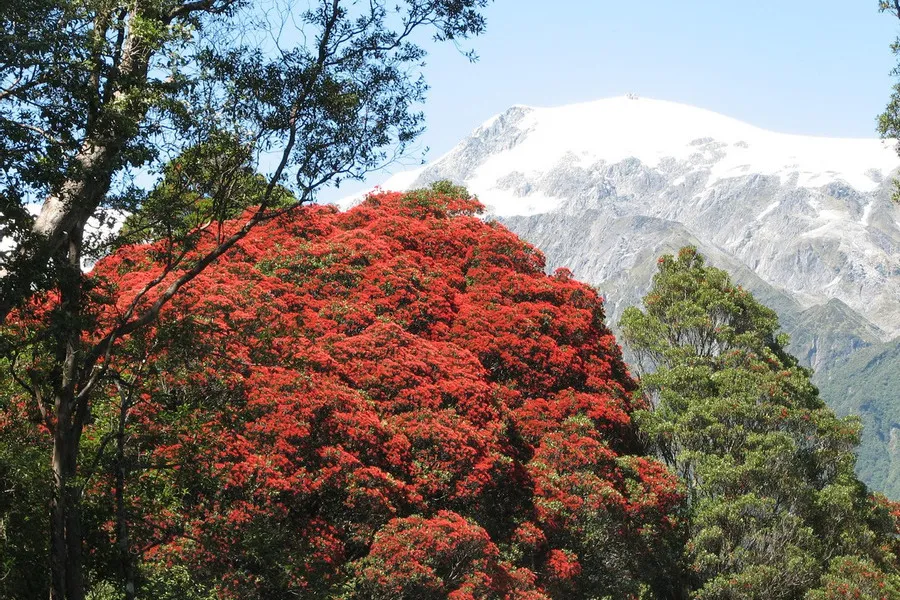
Rātā honey comes from the nectar of the Southern Rātā tree, a native tree that grows in the pristine, largely untouched forests of the South Island's West Coast. The Southern Rātā produces a spectacular crimson flower, but only sporadically - many of the trees bloom heavily just once every few years.
The irregular flowering window is the reason that genuine Rātā honey is produced in such limited quantities. It’s a seasonal, region-specific honey rather than a year-round commodity - like other honeys like Mānuka - and that scarcity is a large reason why honey connoisseurs rate it among the finest in the world.
For a buyer, "rare" and "regional" aren’t obstacles - they’re the foundation of a premium story.
Rātā Honey Flavour Profile
Tasting Rātā is what convinces most buyers. Here is how its key characteristics break down.
Sweetness
Rātā honey is sweet, but in a measured, balanced way. The sweetness is clean and rounded rather than sharp or syrupy, so it never overwhelms the palate. That restraint is why so many consumers enjoy it on its own - and why it works as a daily table honey rather than an occasional treat.
Floral Notes
The flavour of Rātā honey carries a light, delicate floral character that reflects the native forest the bees forage in. There’s also a subtle, almost savoury (or salty) note woven through it - a quiet complexity that lifts Rātā above ordinary honeys and gives marketers a genuine point of difference to talk about.
Texture
Texture is one of Rātā's signatures. It’s exceptionally smooth, with a soft, buttery mouthfeel that spreads and pours beautifully. That silkiness reads as quality the moment a customer tastes it - and it photographs and presents well, which is a real advantage for premium packaging and gifting.
Aftertaste
The finish is clean and gentle. Rather than a heavy or lingering coating, Rātā leaves a soft, pleasant aftertaste that invites the next mouthful. It’s this combination of smoothness and an uncomplicated finish that makes Rātā so approachable for first-time buyers of New Zealand specialty honey.
How Does Rātā Honey Compare to Other New Zealand Honeys?
Positioning Rātā well means understanding where it sits within the wider New Zealand specialty honey family.
Rātā Honey vs Mānuka Honey
This is the comparison that most buyers reach for first. Mānuka honey is often described as bold and earthy. Products carrying a UMF licence are commonly positioned around their certified quality grade, while Rātā is more often chosen for its mild flavour and table-honey appeal. Rātā is on the opposite end of the spectrum: lighter, smoother and built for pure eating pleasure.
For customers who find Mānuka honey a little too strong, Rātā is the approachable, food-first alternative - and a natural way to broaden a Mānuka-led range.
Rātā Honey vs Kānuka Honey
Kānuka honey is often positioned as a milder New Zealand speciality honey. Rātā has a similarly gentle profile, but is distinguished by its smooth texture and limited seasonal availability. Rātā stays in the gentle, approachable camp too, but distinguishes itself with that buttery smoothness and its faint savoury edge.
Where Kānuka leans clean and simple, Rātā offers a touch more character and a more premium, rarity-driven story.
Rātā Honey vs Clover Honey
Clover honey is widely recognised as an everyday honey, usually mild and sweet. Its texture can vary by floral source and processing, while Rātā is generally positioned as a more limited-release varietal honey. Rātā shares clover's accessibility but sits in a different tier entirely. Its limited supply, native provenance and refined flavour make it a specialty product rather than a pantry staple, which is precisely what supports a higher price point.
Typical Flavours and Positioning of New Zealand Honeys
Sourcing Rātā Honey: What Buyers Need to Know
Available Order Formats
Midlands Apiaries supplies Rātā honey in three commercial formats to suit different channels: private label jars finished under your own brand, retail-ready branded products and bulk supply for ingredient or repacking use.
Retail jar sizes and bulk drum specifications will always need to be confirmed against current availability - talk with our team about the format and volume that fits your market.
Harvest Availability
Rātā honey is a summer-harvested honey - and because the Southern Rātā flowers only sporadically, supply is genuinely seasonal and limited from year to year. Volumes are usually allocated, rather than guaranteed, so we recommend confirming requirements early. Our team can advise on current-season availability and indicative volumes at the time of enquiry.
Private-Label Options
Rātā honey is well suited to private label, where its rarity and story do the heavy lifting on a premium own-brand line. Our private label programme covers your jar, label and pack format, with the same testing and traceability applied to every batch.
Buyers who prefer a ready-made option can also source it through our retail-ready brand - Mount Somers.
Traceability and Documentation
Every batch is backed by full batch-level traceability from hive to jar, supported by Midlands' vertically integrated supply chain and both in-house and independent laboratory testing.
Standard documentation includes certificates of analysis, and our SQF certification and Secure Exports Scheme membership streamline compliance for international shipments. We can supply the documentation pack your market and customers require.
Export Markets
International buyers across Asia, North America and Europe place a high value on authentic New Zealand provenance. Rātā's scarcity and origin travel well, opening doors in markets where "rare and genuinely from New Zealand" carries real weight.
How Retailers and Brands Position Rātā Honey
The most effective Rātā positioning leans into what makes it different. Here’s the advice we’d provide to any retail brand looking to maximise the unique selling points of this rare gift of nature.
- Lead with premium gifting, since the flavour, texture and presentation all support a higher price.
- Build the story around New Zealand provenance and the remote West Coast forests where it originates.
- Make the most of its limited availability - sporadic flowering means genuine scarcity and scarcity, communicated honestly, is a powerful driver of perceived value.
- Frame it with artisan, varietal language rather than commodity messaging, so it reads as a considered specialty product.
What to Eat With Rātā Honey
Rātā's smooth, clean profile makes it a versatile pairing honey - and a few serving suggestions give your customers reasons to buy and reuse.
Its mild sweetness and gentle savoury edge suit a cheese board, working with both soft and aged styles. It's lovely drizzled over toast, stirred through yoghurt or dissolved into tea as a refined alternative to standard honey.
It also shines when incorporated into light desserts such as panna cotta or baked fruit, where subtlety matters more than punch.
Is Rātā Honey Worth Adding to Your Product Range?
For most buyers, the answer is yes - provided the positioning fits. Rātā offers genuine product differentiation in a category often crowded with familiar names. Its rarity and provenance create natural storytelling opportunities, and its smooth, approachable flavour appeals to consumers who want something special from New Zealand without Mānuka's intensity.
It supports premium pricing, presents superbly in gift formats and broadens a range that may already lean heavily on Mānuka honey.
The practical things to consider are supply and authenticity - and that is where your packing partner matters. At Midlands Apiaries, our vertically integrated supply chain, independent laboratory testing and full batch-level traceability mean the Rātā honey you put your name to is consistent, genuine and export-ready - whether you need it as a private label line, through one of our retail-ready brands, or in bulk as an ingredient.
If Rātā sounds like the right fit for your range, get in touch with our team to discuss current Rātā honey availability, pack formats, batch documentation and options for private-label.
references
Department of Conservation. (n.d.). Rātā. https://www.doc.govt.nz/nature/native-plants/rata/
Midlands Apiaries. (n.d.-a). Clover honey: Private label & bulk.
https://www.midlandsnz.com/honey/honey-products/clover-honey
Midlands Apiaries. (n.d.-b). Honey manufacturers and suppliers New Zealand.
https://www.midlandsnz.com/honey
Midlands Apiaries. (n.d.-c). Our laboratory: Honey quality, testing & compliance.
https://www.midlandsnz.com/honey/honey-why-us/our-laboratory
Midlands Apiaries. (n.d.-d). Private label honey.
https://www.midlandsnz.com/honey/honey-why-us/private-label-honey
Midlands Apiaries. (n.d.-e). Quality assurance.
https://www.midlandsnz.com/honey/honey-why-us/quality-assurance
Midlands Apiaries. (n.d.-f). Rātā honey: Private label & bulk.
https://www.midlandsnz.com/honey/honey-products/rata
Midlands Apiaries. (n.d.-g). Retail-ready brands.
https://www.midlandsnz.com/honey-categories/retail-ready-brands
Midlands Apiaries. (n.d.-h). The secret behind Midlands' impeccable honey compliance.
https://www.midlandsnz.com/honey/honey-resources/the-secret-behind-midlands-impeccable-honey-compliance
Midlands Apiaries. (n.d.-i). UMF mānuka honey grading explained.
https://www.midlandsnz.com/honey/honey-resources/umf-manuka-honey-grading-explained
Midlands Apiaries. (n.d.-j). What is the difference between mānuka honey and regular honey?
https://www.midlandsnz.com/honey/honey-resources/what-is-the-difference-between-manuka-honey-and-regular-honey
Ministry of Business, Innovation and Employment. (n.d.). Investment opportunities in the New Zealand honey industry [PDF].



Quick Navigation
Contact our team

Australia

New Zealand

New Zealand

Tasman Walker
BCom (Mktg) | BSc (Psy)
Honey Sales - Asia & Australia
Midlands Apiaries
+64 27 237 6318honey@midlands.co.nz
Nick Kerr
BCom (Hons)
Honey Sales - North America & Europe
Midlands Apiaries
+64 27 807 9849honey@midlands.co.nz
Hamish Finnie
BSc (Food Sc. & Hum. Nutr.)
Honey Sales - Greater China Region
Midlands Apiaries
+64 27 405 1273honey@midlands.co.nz