Can Honey Be Harvested Without Harming Bees?
September 3, 2026
Share this post


- Yes, honey can be harvested without deliberately harming bees when experienced beekeepers assess the colony, harvest at the right time and leave suitable food stores.
- However, harvesting still requires careful monitoring, disease control and making decisions based on the region’s conditions.
- Midlands Apiaries’ Beekeeper and Extraction Manager says experience is the best teacher when it comes to protecting the welfare of hard-working honey bees.
Does Harvesting Honey Hurt Bees?
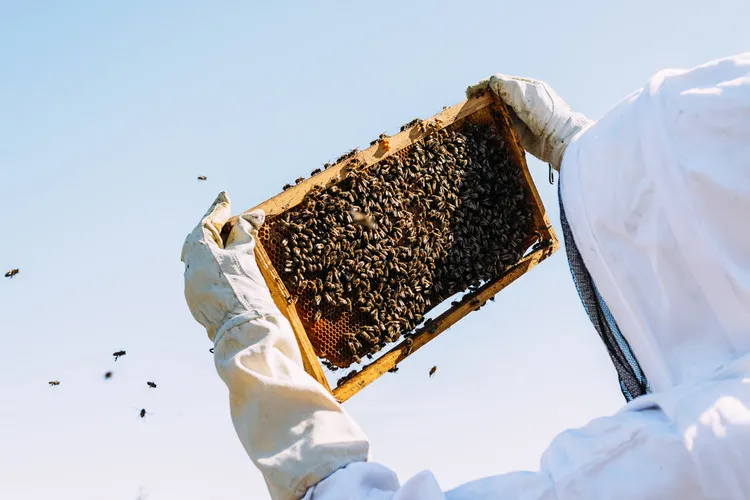
Responsible honey harvesting is always designed to avoid injuring bees or weakening the colony. Beekeepers rely on careful handling, the right equipment and good timing - but it would be misleading to suggest no bee would ever be accidentally hurt during normal hive work.
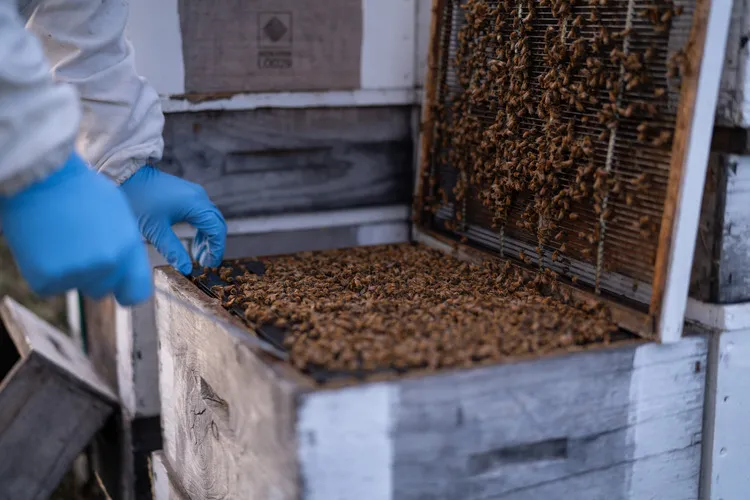
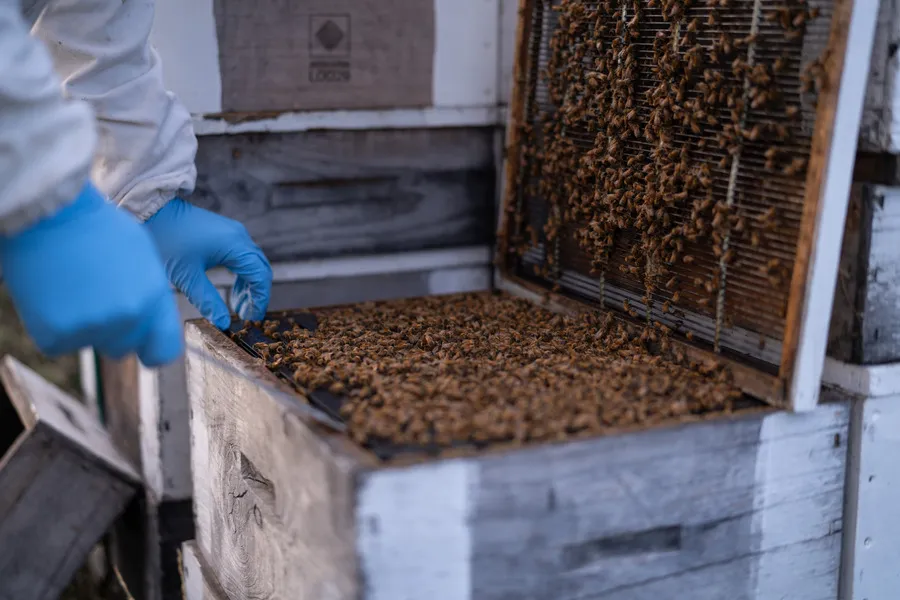
There's a real difference between deliberately harming bees and the odd incidental risk that comes with the job. It’s a process that needs to be handled carefully - for example, opening and moving hive components, if rushed, can injure bees which are caught between boxes.
Smoke might be used in small, controlled amounts to keep a colony calm while the hive’s frames are handled, and bees are cleared from honey frames gently - rather than forced off. Regular, careful monitoring of pests and diseases is considered a core part of responsible beekeeping in New Zealand, and trained, experienced handling is really what separates careful hive work from careless hive work.
At Midlands Apiaries, that experience runs deep. Jake, Midlands Apiaries' Beekeeper and Extraction Manager, has spent ten years working as a commercial beekeeper. He now manages Midlands' beekeeping team and honey processing plant and personally oversees around 400 hives.
He says hands-on experience is what shapes a careful, capable beekeeper.
"I think experience is the best way to train, learn and become a beekeeper. You might start out with a little bit of experience, but you build more knowledge and skill with every season."
Hive work is never completely disturbance-free - but it can be handled with a lot of care. This article lifts the lid on how Midlands Apiaries' beekeepers ensure the protection of their bees in every step of their workflow.
How Much Honey Should Be Left for the Bees?
When bees turn their nectar into honey, they store it as food for the times when flowers are scarce, or the weather keeps them grounded. What each colony requires will change throughout the year, so beekeepers have to constantly weigh up season, colony size and local conditions before taking any surplus.
Honey is essentially the colony's stored energy reserve, allowing the bees to get through periods when foraging isn't possible due to bad weather, cold winters, or a seasonal gap between flowering plants known as a nectar dearth. During a dearth, colonies rely on those stores rather than daily foraging, and developing brood depends on them too.
This is why responsible beekeepers will never strip a hive of all its honey without thinking about what the colony actually needs. How much is left behind comes down to the season, local climate, colony strength, the forage still to come and the condition of the hive itself.
There's no magic number that applies to every colony everywhere - even a beekeeping educators' recommendation for how much honey to leave will range quite widely depending on climate and region, which says a lot about how much the local conditions matter.
"Weather plays a big part over summer. If we're coming into a spell of bad weather, we might hold off taking honey so the bees have enough food stores to get through it,” says Jake.
“During a storm there's a heavy bee population in the hive, and they can chew through their stores pretty quickly in cold conditions. We need to be sure the bees have enough set aside before we take anything."
A colony without enough food can become stressed, weaken, or in the worst cases, die. Responsible beekeepers will keep an eye on stores and will leave more honey, cut back on harvesting, or bring in suitable supplementary feed when natural forage isn't enough. Beekeeping researchers consistently flag inadequate food stores as a leading cause of colony loss when combined with other stress factors.
Monitoring doesn't stop once the honey's been taken, either - responsible beekeepers keep checking in on colony condition afterwards.
How Do Beekeepers Decide Whether a Hive is Ready to Harvest?
Before harvesting begins, a beekeeper will check that the colony is healthy, strong, and holding more honey than it's likely to need. That decision should be based on how the hive looks right now, not a fixed date on a calendar or a production target to hit.
At Midlands Apiaries, this begins with a physical inspection of every hive, before any honey is touched.
"During summer, we'll harvest honey two to three times from each hive,” says Jake. “We'll get to a site and inspect the hives first, to check there's no disease present and that the honey's ready to be taken.”
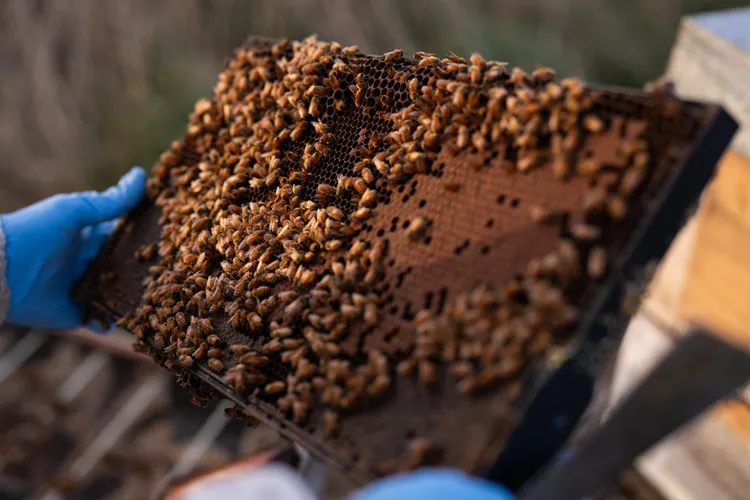
As Jake explains, bees will often first bring honey back with a high moisture content, so they’ll fan the honey with their wings to remove the moisture, then cap it with wax to make it ready for harvest. This is one of the many things the beekeepers will check before the honey is harvested.
A responsible beekeeper will typically consider the following before harvesting:
- Is the colony strong and active?
- Is the queen present, or is there evidence of normal brood activity?
- Are suitable food stores available?
- Is the honey mature enough to harvest?
- Is the weather suitable for opening the hive?
- Is more nectar likely to become available?
- Are there signs of disease, pests or nutritional stress?
- Can honey be removed without disrupting the brood area?
- Does the colony need additional support?
- Would delaying the harvest better protect the bees?
How Is Honey Removed Without Killing Bees?
Honey is usually harvested from removable frames or boxes. Beekeepers separate the bees from the honey frames using carefully thought-out methods, moving the frames to a processing area and then returning any reusable hive components once they're done.
Hives are actually designed around these removable honey supers and frames for exactly this reason - so honey can be taken without going anywhere near the brood area, where the queen and developing bees live.
Beekeepers use gentle brushing, escape systems or suitable airflow methods to clear bees off frames before removing them, then transport those frames securely to a separate area for extraction, well away from the open colony.
Once the honey's been extracted, the drawn wax comb from those frames is then returned to the hive rather than discarded, saving the colony the time and energy it would take to rebuild it from scratch.
At Midlands Apiaries, beekeepers will use escape boards to do much of this work.
“They work like a one-way valve - bees can move down through them, but not back up into the honey box,” says Jake. “Over the next few days, the bees clear out of that box on their own. When we come back to collect it, we take the top box straight off, load it onto the truck and cover it, so we're not bringing any bees back with the honey."
Protecting bees also matters well before harvest, when hives are moved to a new honey-producing site. "When we're shifting hives to honey-producing areas, we move them at night, while all the bees are home and not flying. That keeps the colony strong, and it means that none of the bees get left behind at the old apiary site."
How Do Responsible Beekeepers Protect Bee Health?
One of the biggest questions that people ask about honey harvesting is often, “Does harvesting honey disturb the bees in any way?” The short answer is yes - but it’s important to understand the context.
Opening a hive and taking out boxes or frames causes some temporary disturbance, but responsible beekeepers will keep this to a minimum by working efficiently, picking suitable weather, handling equipment carefully and avoiding inspections that aren't really necessary. Taking the roof or supers off changes the temperature inside the hive, so timing matters. Beekeepers tend to work in mild, calm weather and steer clear of opening hives too early or too late in the day.
Keeping the hive open for as short a time as possible, not handling it more than needed and putting everything back together properly afterwards all help soften the impact of a harvest. Checking in on the colony again over the following days helps confirm things have settled and food stores are still where they should be.
But protecting bees is about a lot more than just careful harvesting. Responsible management covers disease monitoring, pest control, where hives are placed, access to forage, checking on the queen and brood, planning ahead for the season, and keeping accurate records.
Varroa mites are one of the biggest threats facing managed honey bee colonies, and regular monitoring is considered essential for catching infestations before they do real damage, alongside checks for other pests and diseases like American foulbrood.
"Varroa is the number one enemy of bees and the biggest individual threat to honey colonies around the world,” says Jake. “In early spring and late autumn, we use synthetic-based compounds to treat for it, which is really important for colony health. We're also careful not to use chemical sprays anywhere near our beehives, because that kind of thing can leach into the hive and harm the bees."
Disease checks will happen before honey ever leaves the hive.
"The biggest disease we watch for at the moment is American foulbrood - it's a notifiable disease, so if we find it, we have to notify the agency and the hive needs to be destroyed. There's not much of it around, thankfully, but we always check before we harvest, so we're doing our part not to spread it."
Queen health and colony strength get looked at as part of routine inspections, and hives are sited with water and forage access in mind, since where a hive sits has a real bearing on how well a colony can build up its stores. Apiary records - inspections, treatments, seasonal notes - help with tracking all of this over time, and honey only comes off when hive conditions actually support it.
Midlands Apiaries supports this hands-on hive work with a broader research commitment, including partnerships with Betta Bees Research and the FutureBees NZ genomics programme to improve bee health and colony performance, plus ongoing work with Trees for Bees to help keep forage more reliable through the colder months.
Is Commercial Honey Harvesting Ethical?
Whether honey harvesting counts as ethical partly comes down to personal values. From a welfare point of view, though, buyers should look for suppliers that prioritise colony health, use skilled beekeepers, keep records and are upfront about how they harvest.
There's a difference between someone's personal ethical stance and a welfare practice that can actually be checked - the first is a matter of individual values, the second isn't. Things like transparency around hive management, how experienced the beekeepers involved are, whether honey can be traced back to a hive or region and clearly stated supplier standards are all things that a buyer can genuinely look into.
Not everyone will land on the same ethical conclusion about harvesting honey, and a responsible supplier won't pretend otherwise, but it can still be open about the standards behind its own operation.
Midlands Apiaries works with a wide network of beekeeping partners right across New Zealand, and it's those experienced beekeepers - not a fixed production target - who make the calls on colony health and food stores. Hives are placed carefully to give colonies good access to forage, and harvest decisions take colony strength, season and local conditions into account before anything's taken.
Every harvest is also backed by a formal record, not just a judgement call in the field.
“Every time a beekeeper harvests honey, they fill out a harvest declaration,” says Jake. “It's a legally binding document that confirms the honey's been harvested within safe food standards - that no agricultural compounds unsafe for humans have been used in the hive, that the honey and honey boxes have been stored in the right conditions, and that the hive meets our American foulbrood pest management plan.”
“It also confirms there's been no feeding of bees during the harvest period, so we know what we're harvesting is one hundred percent honey.”
Once honey leaves the hive, complete traceability from hive to shelf means every batch can be tracked right back through the supply chain, and Midlands Apiaries’ in-house laboratory and SQF Level 3–certified facility bring the same rigour to quality and compliance that beekeeping partners bring out in the field. This is our way of ensuring an end product that’s both trustworthy and ethically-sourced.
Explore New Zealand honey from Midlands Apiaries to see these practices in action, or read more on why a reputable New Zealand apiary matters when you're choosing a honey supplier.
Find more answers
Frequently Asked Questions
Does taking honey from a hive hurt bees?
Careful harvesting shouldn't deliberately harm bees, but hive work does cause some disturbance and accidental losses can happen. Skilled handling helps keep the risk to a minimum.
Do bees need the honey they make?
Yes. Bees fall back on stored honey whenever nectar isn't available, including through poor weather and colder periods.
Do beekeepers leave honey for the bees?
Responsible beekeepers will always check the colony first and leave suitable food stores based on season, climate, hive strength and expected forage.
Can honey be harvested without killing the queen?
Yes. Honey normally comes from areas kept separate from the queen and brood, and beekeepers check the hive structure and handle frames carefully.
What happens if too much honey is taken?
The colony can face food stress, weaken, or need supplementary feeding. In severe cases, not having enough in reserve can contribute to colony loss.
How do beekeepers keep the queen bee safe during honey harvesting?
Honey is usually harvested from removable honey supers that sit above the brood area where the queen lives. Beekeepers inspect hive structure before harvesting and avoid removing frames containing brood or the queen.
references
Bruckner, S., Wilson, M., Aurell, D., Rennich, K., vanEngelsdorp, D., Steinhauer, N., & Williams, G. R. (2023). A national survey of managed honey bee colony losses in the USA: Results from the Bee Informed Partnership for 2017–18, 2018–19, and 2019–20. Journal of Apicultural Research, 62(3), 429–443. https://doi.org/10.1080/00218839.2022.2158586
Betterbee. (n.d.). What is dearth? Retrieved September 4, 2026, from https://www.betterbee.com/instructions-and-resources/what-is-dearth.asp
Eyer, M., Neumann, P., & Dietemann, V. (2016). A look into the cell: Honey storage in honey bees, Apis mellifera. PLOS ONE, 11(8), Article e0161059. https://doi.org/10.1371/journal.pone.0161059
Gucker, D. B. (2021, November 11). Prepare your bees for winter. Illinois Extension, University of Illinois. https://extension.illinois.edu/blogs/know-how-know-more/2021-11-11-prepare-your-bees-winter
Underwood, R., & López-Uribe, M. (2025, October 5). Methods to control varroa mites: An integrated pest management approach. Penn State Extension. https://extension.psu.edu/methods-to-control-varroa-mites-an-integrated-pest-management-approach
Midlands Apiaries. (n.d.). Research & technological innovation. Retrieved September 4, 2026, from https://www.midlandsnz.com/honey/honey-why-us/technology-research
Midlands Apiaries. (n.d.). Complete traceability and quality control at every stage of the supply chain. Retrieved September 4, 2026, from https://www.midlandsnz.com/honey/honey-why-us/vertical-integration
Midlands Apiaries. (n.d.). Honey manufacturers delivering your total honey solution. Retrieved September 4, 2026, from https://www.midlandsnz.com/honey
Harrison, C. (2024, July 23). Why choosing a reputable New Zealand apiary matters. Midlands Apiaries. https://www.midlandsnz.com/honey/honey-resources/why-choosing-a-reputable-new-zealand-apiary-matters



Quick Navigation
Contact our team
Australia

New Zealand

New Zealand

Tasman Walker
BCom (Mktg) | BSc (Psy)
Honey Sales - Asia & Australia
Midlands Apiaries
+64 27 237 6318honey@midlands.co.nz
Nick Kerr
BCom (Hons)
Honey Sales - North America & Europe
Midlands Apiaries
+64 27 807 9849honey@midlands.co.nz
Hamish Finnie
BSc (Food Sc. & Hum. Nutr.)
Honey Sales - Greater China Region
Midlands Apiaries
+64 27 405 1273honey@midlands.co.nz