
Hemp Seed Oil for Skin: Benefits, Uses and What to Consider
September 3, 2026
Share this post


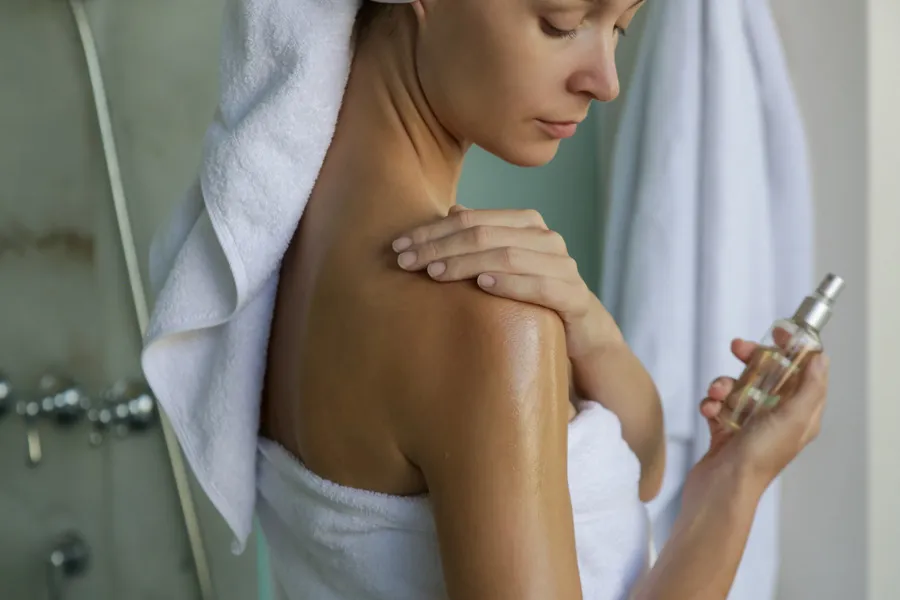
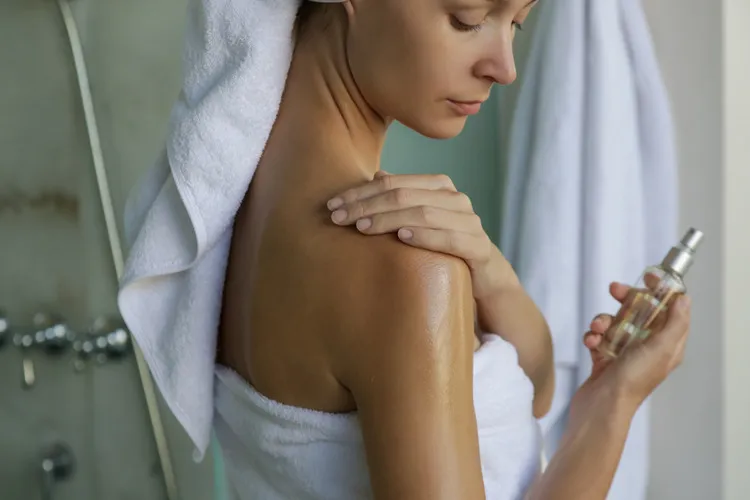
Hemp seed oil is a plant oil pressed from hemp seeds. It can be applied directly to the skin or used in facial oils, serums, moisturisers, body oils, balms, soaps and hair-care products.
It is sometimes shortened to “hemp oil”, although that term can be ambiguous. This article refers specifically to hemp seed oil, not CBD oil or extracts made from other parts of the hemp plant.
Is hemp seed oil good for skin?
Hemp seed oil contains fatty acids, including omega-3, omega-6 and gamma-linolenic acid, commonly known as GLA. It is used as an emollient and carrier oil, helping skin feel softer and providing a base for oil-based skincare products. However, individual suitability and the complete product formulation still matter.
Lynnie Scammell, Midlands Nutrition Operations Manager with nearly 15 years’ experience working with hemp, describes the oil as richer and heavier than some people expect. A small amount spreads well, so it is generally more practical to begin sparingly when applying it directly to skin. The naturally rich green colour of the oil can vary according to the seed entering production, while its aroma is characteristically nutty and slightly hemp-like.
For information about culinary, supplement and other applications, see Midlands’ guide to how hemp seed oil is used.
Is Hemp Seed Oil the Same as CBD Oil?
No, hemp seed oil and CBD oil are different products. Hemp seed oil is pressed from hemp seeds, while CBD oil is specifically produced to contain cannabidiol.
Confusion often arises because both products are associated with hemp and may be described loosely as “hemp oil”. Using the full term “hemp seed oil” helps clarify which ingredient is being discussed.
The hemp seed oil handled by Midlands is produced from industrial hemp seed. Lynnie Scammell says misconceptions about hemp seed oil and psychoactive cannabis remain one of the most common points of confusion encountered by the Midlands team.
When checking a skincare product, look at the ingredient list rather than relying only on “hemp” wording on the front label. Cannabis Sativa Seed Oil (the standard INCI name) can also identify hemp seed oil on a cosmetic ingredient list. A product formulated to contain CBD should identify that ingredient separately.
What Are the Potential Benefits of Hemp Seed Oil for Skin?
Hemp seed oil is used on skin primarily as an emollient and carrier oil. Its fatty-acid profile includes omega-3, omega-6 and GLA, while its oil texture can help skin feel softer and reduce a dry or rough feel. These characteristics explain its use in skincare, but do not make it a treatment for skin conditions.
It can help skin feel softer
Hemp seed oil can help skin feel softer by acting as an emollient on the skin’s surface. It contributes an oil layer that can reduce a dry or rough feel. It does not perform all the functions of a complete moisturiser, which may also contain water, humectants, emulsifiers, preservatives and other supporting ingredients.
For example, a facial oil containing hemp seed oil may reduce a dry or tight feeling by leaving an emollient layer. A cream may combine the oil with water-binding ingredients, creating a different texture and product experience.
It contains omega-3, omega-6 and GLA
Hemp seed oil is valued for its naturally occurring omega-3, omega-6 and omega-9 fatty acids. Of particular interest is gamma-linolenic acid, commonly known as GLA, an omega-6 fatty acid found at a higher level in hemp seed oil than in many other plant oils. This fatty-acid profile helps explain why hemp seed oil is used in topical and personal-care products.
It works as a carrier and blending oil
Hemp seed oil can be used alone or as a carrier oil within a blend of compatible oils and oil-soluble ingredients. Its rich texture, green colour and natural aroma will be more noticeable when it makes up a larger proportion of a simple formulation.
It is suitable for products such as:
- Facial and body oils
- Oil-based serums
- Balms
- Beard oils
- Hair and scalp oils
The finished texture and aroma depend on the amount used and the other ingredients.
Is Hemp Seed Oil Good for Dry Skin?
Yes, hemp seed oil is commonly used in products designed for dry-feeling skin because it helps create a protective oil layer on the skin's surface. This can improve skin feel and reduce the sensation of roughness or tightness. Hemp seed oil is found in facial oils, body oils, creams and lotions intended for skin that requires additional conditioning. The experience can vary depending on the product format, how much is applied and individual skin preferences.
Does Hemp Seed Oil Clog Pores?
Hemp seed oil has a low risk of clogging pores. However, whether a product contributes to blocked pores cannot be determined from hemp seed oil alone. The amount applied, the other ingredients, the product format and the individual user all influence the result. A comedogenic rating should not be treated as a guarantee.
How Do You Use Hemp Seed Oil on Skin?
Hemp seed oil can be applied directly to skin or used within facial oils, serums, moisturisers, balms and body products. Start with a small amount and follow the product instructions. Test a small area first when trying a new topical product.
Can you use hemp seed oil on your face?
Yes, hemp seed oil can be used topically on the face, either alone or as part of a facial oil, serum or moisturiser. Pure cold-pressed oil is more vicious than many finished facial products, so begin with a small quantity and assess the individual product.
Pure hemp seed oil is different from a facial serum, cream or moisturiser containing hemp seed oil. This means one hemp seed oil product may feel and perform differently from another.
Lynnie recommends trying a small amount before applying the oil more widely, particularly because users may respond differently. Just because it is a natural ingredient it is not automatically suitable for every person.
Can Hemp Seed Oil Be Applied Directly to Skin?
Yes, hemp seed oil can be applied directly to the skin when the product is intended for topical use. Some people use pure hemp seed oil as a simple skin oil, while others prefer products that combine hemp seed oil with additional ingredients. When trying any new topical product, begin with a small amount and follow the directions provided by the manufacturer. If irritation occurs, discontinue use and seek advice from a qualified healthcare professional if needed.
How Does Hemp Seed Oil Work in Moisturising Products?
Hemp seed oil acts as an emollient within moisturising products, contributing oil, softness and slip. It does not provide every function of a complete moisturiser. Creams and lotions may also require water, humectants, emulsifiers and preservatives, so the full formulation determines how the product feels, performs and remains stable.
A lotion or cream may contain:
- Oils and emollients for softness and slip
- Water as the aqueous phase
- Humectants to attract and retain water
- Emulsifiers to keep oil and water mixed
- Preservatives to protect water-containing products
Midlands has previously supplied hemp seed oil for moisturisers and hand lotions. Lynnie recalls that the finished products had a full, lubricating feel, but their overall performance depended on the other ingredients and percentages selected by the cosmetic manufacturer.
The presence of hemp seed oil therefore does not determine whether a finished product will feel light or heavy, remain stable or suit a particular user.
What Types of Skincare Products Use Hemp Seed Oil?
Hemp seed oil is used in facial oils, serums, moisturisers, creams, body oils, balms, cleansing oils, soaps and hair or scalp products. Its role varies by format. It may form the base of a simple oil, act as an emollient in a cream, or contribute one part of a wider soap or balm formulation.
Based on Midlands previous experience, over extended storage, the products changed in different ways. Moisturisers separated, balms became harder and soaps became drier. These observations do not show that hemp seed oil alone caused the changes. They show why the complete formulation and intended shelf life must be tested.
Can Different Skin Types Use Hemp Seed Oil?
Products containing hemp seed oil can be used across different skin types, but suitability depends on the amount used, the complete formulation and individual response. Pure cold-pressed oil has a richer feel than some finished serums or lotions, so the product format may matter as much as the presence of hemp seed oil itself.
Are There Any Disadvantages or Risks?
The texture and smell of hemp seed oil is not suited to every individual. Whilst some may also experience irritation from the oil or another ingredient in a finished product.
Pure, unrefined hemp seed oil may not suit someone seeking:
- A colourless ingredient
- A neutral scent
- A very light, fast-drying finish
- All the functions of a water-based moisturiser
These characteristics can still be valuable in a natural or oil-led product. Alternatively, refined hemp seed oil generally has less colour and aroma, which may make it easier to incorporate into a pale or neutrally scented formulation. The right choice depends on the intended product rather than one form being universally better.
How Should Hemp Seed Oil Be Stored?
Cold-pressed hemp seed oil should be kept properly closed and protected from direct light and unnecessary heat. Lynnie advises replacing the lid after use and storing the oil in a cool place away from sunlight. These steps help protect the oil’s natural sensory characteristics, while the specific shelf life and after-opening period should always come from the product label.
Poor storage can eventually affect an oil’s aroma, flavour and overall condition. Significant changes in smell or appearance should be checked before continuing to use the product.
Finished skincare products can change over time because they contain several ingredients. Separation, an unexpected smell or a marked change in texture may indicate that the product has deteriorated or exceeded its useful life.
Can Hemp Seed Oil Be Used in Hair and Scalp Products?
Hemp seed oil can be used as a carrier or oil-phase ingredient in hair oils, scalp oils, beard oils, masks and conditioners. Its viscosity often means a small amount may be preferable in leave-on products. The complete formulation determines the finished product’s feel, wash-off, stability and suitability for the intended use.
Lynnie notes that hemp seed oil can be applied directly to beards or the scalp, but cautions excessive use that may leave a distinctly oily finish.
What Should Skincare Makers Consider?
Skincare makers should assess whether cold-pressed hemp seed oil’s natural colour, aroma, texture and fatty-acid profile suit the intended product. Midlands supplies the raw oil rather than formulating finished cosmetics, so the manufacturer must determine the appropriate inclusion rate and test the complete product for compatibility, stability, preservation, safety and target-market compliance.
An unrefined oil may suit a natural-positioned facial oil, balm, soap or body product where its green colour and nutty aroma contribute to the product experience. A pale cream, neutral fragrance or highly standardised cosmetics range may require an oil with fewer noticeable sensory characteristics.
Makers should also consider:
- The oil specification
- Compatibility with other ingredients
- Oxidation and packaging
- The manufacturing process
- Finished-product stability and safety
- Preservation of water-containing products
- Regulatory requirements in the target market
There is no universal inclusion rate for hemp seed oil. The appropriate amount depends on the product format, other ingredients, production method and desired finished-product characteristics.
Midlands’ previous product-development experience illustrates why raw-oil quality cannot determine the shelf life of a finished cosmetic. After several finished products had been stored well beyond their intended period of use, the moisturiser separated, the balms hardened and the soaps became drier.
These observations do not show that hemp seed oil caused the changes. Each product contained other ingredients and had its own manufacturing process. The experience demonstrates why formulators must assess the stability and shelf life of the complete product rather than relying on the properties or testing of one raw material.
How Can Businesses Source Hemp Seed Oil for Skincare Products?
Businesses can source cold-pressed hemp seed oil from Midlands as a bulk ingredient for skincare, soap, personal-care and hair-care products. Midlands supplies the oil rather than manufacturing finished cosmetics or private-label skincare. Buyers should identify their intended application, required volume, destination market and relevant technical or documentation requirements.
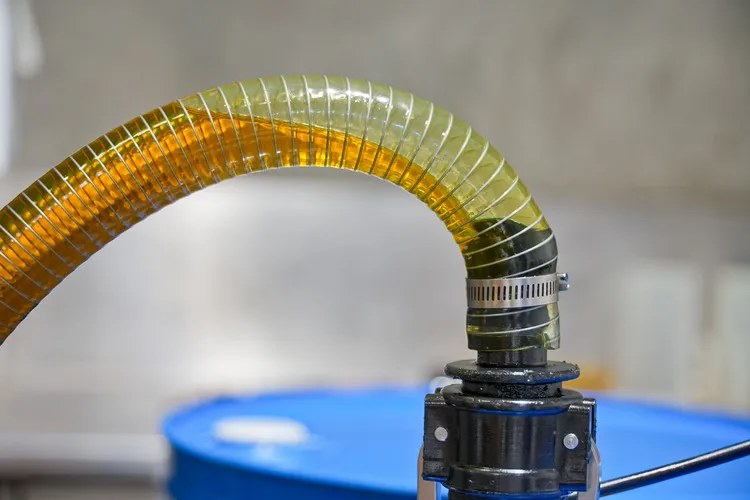
Midlands processes hemp and flaxseed oils and distributes oils domestically and into export markets. Our standard cold-pressed hemp seed oil is grown and pressed in New Zealand, with most of the seed grown in Canterbury. Midlands supplies hemp seed oil as an ingredient but does not manufacture finished skincare, cosmetics or private-label products.
Businesses enquiring about bulk supply should provide their intended application, required volume and destination market.
Developing a skincare, soap or personal-care product? Explore Midlands hemp seed oil or contact the Midlands team to discuss bulk ingredient requirements.
From nearly 15 years of plant-oil experience
This article includes first-hand operational insights from Lynnie Scammell, Midlands Nutrition Operations Manager. Lynnie has worked at Midlands for nearly 15 years and oversees operations and sales within the team that processes hemp and flaxseed oil and supplies oils domestically and into export markets.
Important: Hemp seed oil characteristics and suitability may vary between products. Consumers should follow the directions supplied with the product. Manufacturers are responsible for assessing the safety, stability and regulatory requirements of the finished formulation.
Find more answers
Frequently Asked Questions
Is hemp seed oil good for skin?
Hemp seed oil is used directly and in skincare products as an emollient and carrier oil. Its fatty-acid composition includes omega-3, omega-6 and GLA. It may help skin feel softer, but it should not be represented as a treatment for a skin condition.
Can hemp seed oil be applied directly to skin?
Yes, hemp seed oil can be applied directly if the product isintended for topical use. Start with a small amount, follow the productinstructions and consider testing a small area first. Stop using the product ifirritation occurs.
Can you use hemp seed oil on your face?
Yes, hemp seed oil can be used on the face. Pure oil will feel different from a facial serum, cream or moisturiser containing hemp seed oil alongside other ingredients. Begin with a small quantity and assess the particular product on your skin.
Is hemp seed oil good for dry skin?
Hemp seed oil is used as an emollient in products intended to soften skin and reduce a dry or rough feel. Pure oil does not perform every role of a complete moisturiser, which may also contain water-binding and supporting ingredients.
Can you leave hemp seed oil on your face overnight?
Hemp seed oil can be used in leave-on facial oils and skincare products. Follow the directions for the specific product and begin with a small amount, particularly when using pure oil. Stop using the product if irritation occurs.
Does hemp seed oil have a smell?
Unrefined hemp seed oil has a natural aroma that Midlands’ technical expert describes as slightly hemp-like with buttery, nutty characteristics. Refined oils may have less colour and aroma. Sensory preferences vary between users.
Is hemp seed oil the same as CBD oil?
No. Hemp seed oil is pressed from hemp seeds. CBD oil is produced to contain cannabidiol and is a different product. The term “hemp oil” can be ambiguous, so check the ingredient description or product specification.
Are there disadvantages to using hemp seed oil on skin?
Possible disadvantages include its rich feel, green colour, natural aroma and need for appropriate storage. Individual sensitivity is also possible. Pure oil does not provide all the functions of a complete moisturiser or formulated skincare product.
references
Personal Care Products Council. INCI. https://www.personalcarecouncil.org/resources/inci/
DermNet. Gloassary. https://dermnetnz.org/glossary
Health New Zealand. Allergies. https://www.healthnz.govt.nz/health-topics/conditions-treatments/immune-system/allergies
Environmental Proction Authority. Cosmetics. https://www.epa.govt.nz/hazardous-substances/rules-notices-and-how-to-comply/specific-substance-guidance/cosmetics/



Quick Navigation
Contact our team

Steve Williams
BCom (Mgt Sc)
Seed Multiplication Sales Manager
Midlands Seed
+64 27 553 0846seed@midlands.co.nz



.webp)



