Pollen Control in Hemp Production in New Zealand
May 26, 2026
Share this post


Introduction
The 28 May 2026 reforms to New Zealand’s hemp regulatory framework removed the previous industrial hemp licensing regime and replaced it with a notification-based system, making it easier for the industry to operate while retaining important compliance obligations.
As cultivation increases, managing pollen drift and cross‑pollination has become a critical technical and commercial consideration for growers, seed producers, processors, and neighbouring operations.
This article outlines the regulatory context, key risks, and best practices for pollen control in New Zealand hemp production systems.
What is hemp pollen control?
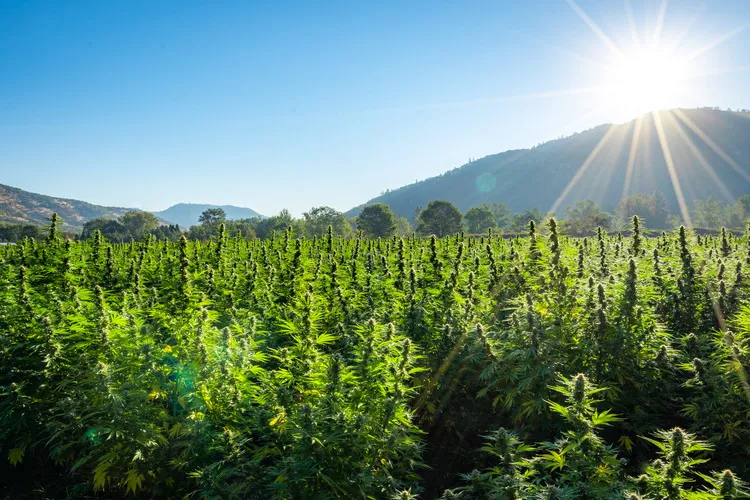
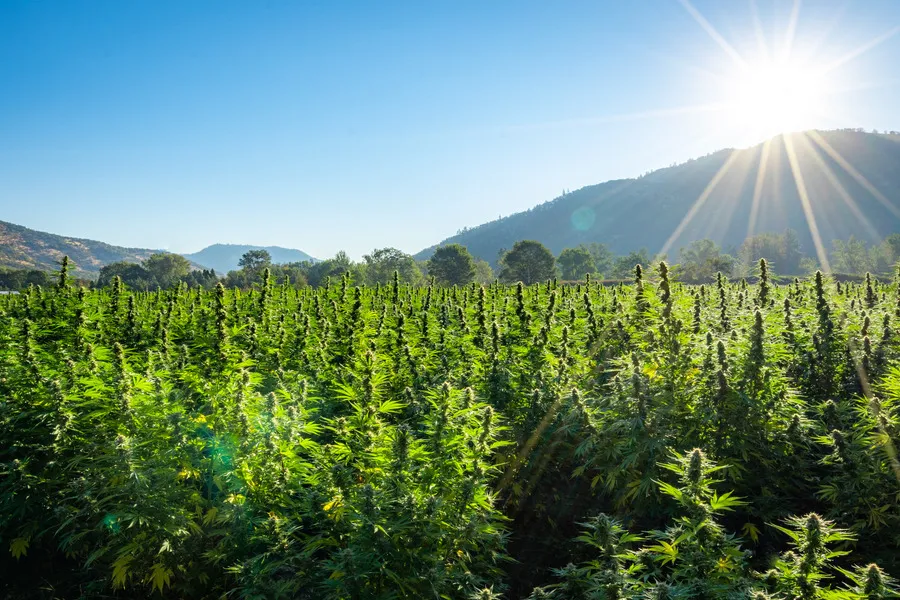
Pollen control in hemp production refers to the management of cross-pollination between crops, particularly in wind-pollinated Cannabis sativa systems. It involves spatial separation, crop planning, and timing strategies to protect genetic integrity, crop yield, and compliance requirements.
1. Regulatory Context (Post‑May 2026)
New Zealand’s hemp regulatory framework now allows cultivation, use, and supply of hemp without a routine licence, provided notification requirements and other legal obligations are met.
Hemp is defined as Cannabis sativa with a tetrahydrocannabinol (THC) level of no more than 1% of the dry weight of the plant. Cultivators must notify New Zealand Police and the Ministry for Primary Industries (MPI) before growing hemp.
Growers and other industry participants also remain subject to the Food Act 2014, Biosecurity Act 1993, and Agricultural Compounds and Veterinary Medicines (ACVM) Act 1997, depending on the activities they undertake.
Although pollen control is not explicitly prescribed through statutory isolation distances in New Zealand regulation, growers remain responsible for managing risks that may affect compliance, food safety, trade, neighbouring crops, and commercial outcomes.
2. Why Pollen Control Matters
How far does hemp pollen travel?
Hemp pollen can travel significant distances under suitable conditions due to wind pollination. Industry guidance indicates that pollen may travel over 10km, depending on weather patterns, landscape, and crop density.
Uncontrolled pollen drift can result in:
- Cross‑pollination of neighbouring hemp crops or medicinal cannabis operations.
- Reduced cannabinoid yields in flower-based production systems, with potential reductions of 2–3× in some cases.
- Compromised genetic integrity and seed purity.
- Loss of seed certification and downstream compliance concerns, including THC variability in seed progeny.
- Commercial disputes, rejected contracts, or loss of revenue where pollen management is inadequate.
These risks are particularly relevant in regions with concentrated production activity, including Canterbury, Hawke’s Bay, and Marlborough.
3. Best Practice for Pollen Control
Spatial Separation and Crop Planning
Although no statutory isolation distances are currently prescribed in New Zealand regulations, international seed certification standards provide useful benchmarks for managing cross‑pollination risk in seed production systems.
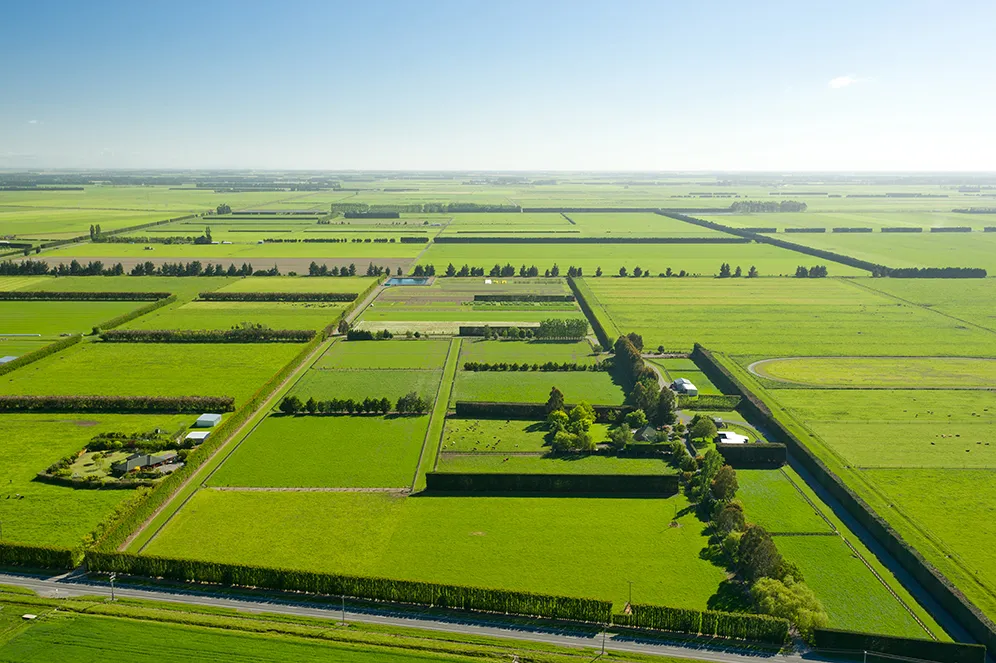
Pollen-producing crops should be carefully separated from other hemp seed, grain, fibre, flower, and medicinal cannabis production where possible. Coordination of planting dates and flowering windows is also important to reduce overlap and downstream risk.
The following table shows indicative OECD seed certification scheme isolation distances for dioecious industrial hemp seed production, which can be used as a practical reference point when planning crop separation.
These distances are not a substitute for local planning. Growers should also consider cultivar type, intended end use, flowering windows, prevailing conditions, topography, and the presence of neighbouring hemp or medicinal cannabis operations when assessing pollen risk.
Growers should avoid overlapping flowering periods with nearby crops where possible and prioritise separation for certified seed production, proprietary genetics, breeding programmes, and flower-only systems.
Notification and Record‑Keeping
Under the current system, growers must notify both MPI and Police before cultivation. Police require details including identity, address, cultivation location, and the intended scale and nature of production, while MPI requires identity and contact information so it can provide guidance on trade, food safety, and animal welfare risks.
In addition to formal notification, growers should maintain robust internal records covering:
- cultivar selection
- intended end use (grain, fibre, flower, breeding, seed multiplication)
- flowering window
- crop location
- pollen management plan
- communication with neighbouring growers or relevant industry bodies.
Maintaining documentation supports due diligence and can help manage disputes, certification concerns, and traceability requirements.
Controlled Environments and High‑Value Production
For breeding programmes, seed multiplication, high-value flower production, and medicinal cannabis supply chains, physical isolation is strongly recommended. Controlled environments such as greenhouses, together with airflow management and filtration, can reduce contamination risk.
These systems involve higher cost, but they provide significantly greater control over pollination and genetic integrity.
4. Additional Grower Responsibilities
When planning hemp cultivation, growers should consider:
- regional growing activity and crop density
- risk to neighbouring seed, grain, fibre, flower, or medicinal cannabis operations
- engagement with relevant industry organisations
- use of recognised cultivars and reputable seed suppliers
- communication with nearby growers where practical.
Operational practices should also include:
- roguing volunteer hemp plants from surrounding areas
- removing male plants from female-only flower crops
- managing harvest timing, including cutting fibre crops before pollen shed where appropriate
- monitoring flowering periods and cross-pollination exposure.
Testing of hemp is no longer mandatory under the updated framework, but growers may still wish to test crops to support compliance and risk management, particularly where cultivar performance or THC thresholds are important.
5. Industry Coordination and Risk Management
Effective pollen control is not solely an individual responsibility. It requires coordination across growers, engagement with industry organisations, and practical communication where appropriate.
A well-managed approach to pollen control helps reduce:
- compliance risk
- commercial disputes
- genetic contamination
- reputational risk for the wider sector.
This is especially important in a post‑May 2026 environment where wider participation in hemp cultivation is expected under the notification-based framework.
Conclusion
Under New Zealand’s updated hemp regulations, pollen control remains a key technical and commercial responsibility. While formal licensing has been removed, the obligation to notify Police and MPI, and to manage risks across trade, food safety, animal welfare, and neighbouring operations, remains in place.
Best practice combines strategic crop planning, appropriate genetics, spatial separation, detailed record-keeping, and proactive communication. Effective pollen management is essential to protect crop value, regulatory compliance, and the long-term integrity of the New Zealand hemp industry.
For commercial planting and certified seed supply, view our hemp seed for sowing range.
Find more answers
Frequently Asked Questions
Is pollen control required by regulation in New Zealand?
Pollen control is not currently prescribed through explicit statutory isolation distances, but growers remain responsible for managing risks that may affect compliance, neighbouring operations, trade, and commercial outcomes.
Are there official isolation distances for hemp in New Zealand?
New Zealand regulations do not currently prescribe statutory isolation distances for hemp. However, international seed certification standards, including OECD benchmarks, provide useful reference points for planning seed production and reducing cross-pollination risk.
Why does pollen control matter for commercial growers?
Poor pollen management can contribute to cross-pollination, loss of genetic purity, certification issues, reduced cannabinoid yield in flower systems, and commercial disputes between growers.
Do hemp products intended for animal use still require MPI registration?
Yes. Regulatory changes to cultivation do not remove ACVM requirements. Hemp products intended for animal use must still comply with the relevant MPI registration requirements.
Testing is no longer mandatory under the updated framework, but growers may still choose to test crops to confirm THC compliance and support risk management.
Yes. Hemp seed food products and hemp seeds for food use must still be safe to eat, and activities involving hemp for food use may require registration under the relevant food law framework.
Is testing of hemp still required?
Testing is no longer mandatory under the updated framework, but growers may still choose to test crops to confirm THC compliance and support risk management.
references
Agricultural Compounds and VeterinaryMedicines (ACVM) Act - https://www.mpi.govt.nz/dmsdocument/71980-ACVM-Alert-Notification-26-001-Industrial-hemp-and-hemp-derived-substances-use-in-agricultural-compounds-Supersedes-ACVM-Alert-Notification-22-001
Misuse of Drugs Amendment Regulations 2026 - https://www.legislation.govt.nz/secondary-legislation/pco-drafted/2026/85/en/latest/#LMS1591487
Ministry of Health - https://www.health.govt.nz/regulation-legislation/hemp
Ministry of Primary Industries - https://www.mpi.govt.nz/agriculture/plant-products-requirements-and-pesticide-levels/hemp-guidance-for-growers-processors-importers-and-exporters
New Zealand Police - https://www.police.govt.nz/advice-services/cultivating-hemp
New Zealand Police Notification Form - https://www.police.govt.nz/about-us/publication/nz-police-hemp-notification-form



Quick Navigation
Contact our team
Australia

New Zealand

New Zealand

New Zealand
Steve Williams
BCom (Mgt Sc)
Seed Multiplication Sales Manager
Midlands Seed
+64 27 553 0846seed@midlands.co.nz