Which Manuka Honey Grade is Best For Your Business?

December 10, 2024

If you’ve ever looked at a jar of Mānuka honey, you’ve probably noticed a sticker on the label with a particular grade like MGO or UMF™. The letters and numbers might seem confusing, but they exist to help you make an informed choice on which type of Mānuka honey is best suited for your business.

The different grades are an indication of the different strengths of each jar - whether it’s the potency, level of antibacterial properties or the authenticity of the product. Selecting the right grade of Mānuka honey can make all the difference to your purchase.

So, whether you need specialty products for daily health, skincare or consumption, we’re here to break down what these grades mean, why they matter and how to pick the right grade of Mānuka honey for you.

As a private-label and bulk honey supplier, Midlands Apiaries understands the challenges your business face when choosing the right Mānuka honey for your needs. Whether it’s deciphering grades or ensuring the honey’s quality is consistent, we take pride in making it easy for your brand to succeed in a competitive market.

It all begins with a deep understanding of the product. Let’s take a closer look at the different grades of Mānuka.

What Are MGO and UMF™?

The grades you find on the jars of Mānuka Honey can be tricky to understand at first, but they’re essential for knowing exactly what you’re getting in each product.

There are two main grading systems:

Methylglyoxal is an organic compound that naturally forms in Mānuka honey. It was first discovered within Mānuka back in 1981, scientists realised it was the key ingredient that made Mānuka such a unique product.

Research has since suggested there are potential links between MGO concentrations and antibacterial properties within Mānuka honey. In 2011, a study concluded that MGO did, indeed, play a role in preventing certain bacterial growth. In other words, the MGO grade measures the potency of antibacterial benefits that the honey provides.

On the other hand, UMF™ is a more comprehensive certification that takes into account more factors than the other grading systems will. It’s the only system that independently verifies all the elements that make New Zealand Mānuka honey unique.

While many people focus only on methylglyoxal (MGO), UMF™ is a more comprehensive assessment of the product. There are four key markers that determine the UMF™ grade:

Leptosperin

Leptosperin determines the authenticity of Mānuka honey. A unique compound found solely within the nectar of the Mānuka flower, it’s the DNA marker that validates genuine honey.

Methylglyoxal (MGO)

Methylglyoxal determines the potency of Mānuka honey - it’s these levels that are often sufficient for many Mānuka honey buyers to feel confident in their purchase.

Dihydroxyacetone (DHA)

Dihydroxyacetone determines the shelf-life of Mānuka honey. This biochemical is the precursor to MGO and will gradually convert to MGO over time. The higher the concentration of DHA, the longer the life of the MGO will be maintained.

Hydroxymethylfurfural (HMF)

Hydroxymethylfurfural determines the freshness of Mānuka honey. This heat-sensitive compound is an essential factor in determining the quality of Mānuka honey, as it assures the customer that the honey hasn't been stored for too long or processed.

Nearly every important aspect that makes up Mānuka honey can be measured using this system, which is why Midlands considers UMF™ to be the most solid and robust method for grading, certifying, and validating monofloral Mānuka honey.

Each Mānuka honey product with the UMF™ trademark must pass stringent quality, grading, and rating tests from the Unique Mānuka Factor Honey Association (UMFHA).

As UMF™ is the only standard that independently tests the quality of New Zealand Mānuka honey, it reassures consumers worldwide of the strength and purity of each jar they buy.

In our case, you can be assured that every jar of Mānuka honey that Midlands produces is certified and validated to UMF™ standards - regardless of whether the jar displays the UMF™ certification or not.

As a private-label manufacturer and bulk supplier, we’d work closely with you to select the perfect grade of Mānuka honey to meet your product requirements and market expectations.

Every jar of honey that we supply is backed by independent testing and certification, giving you confidence that your customers receive only the highest-quality Mānuka honey, free from impurities and compliant with global standards, irrespective of grade.

Different Manuka Honey Grades for Different Uses

Whether you're launching a new private-label product or scaling up your operation with bulk honey as an ingredient, Midlands has the resources and expertise to support your success.

Each grade of Mānuka honey we offer has unique qualities, allowing your business to meet the specific needs of your customers.

Let’s explore the different grades you could choose from.

UMF™ 5+ to 10+: Everyday Wellness & Food Applications

Key Value for Businesses: A cheaper alternative for brands wanting to provide affordable wellness products.

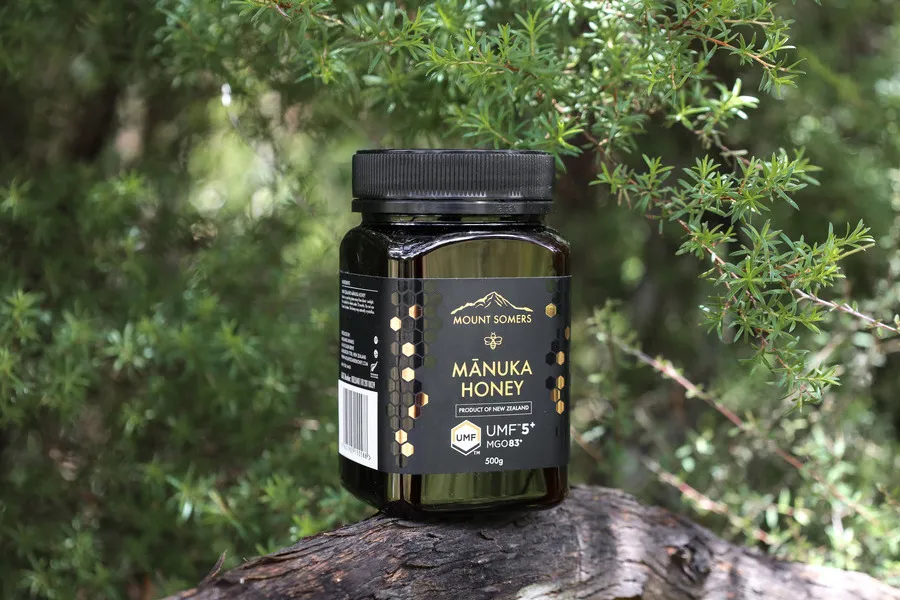
Manuka UMF 5+ / MGO 83+
  • UMF Grade: 5+
  • MGO Level: 83+
  • Price: $
  • Leptosperin: ≥100mg/kg
  • DHA: ≥150mg/kg
  • HMF: ≤40mg/kg
Manuka UMF 10+ / MGO 261+
  • UMF Grade: 10+
  • MGO Level: 261+
  • Price: $
  • Leptosperin: ≥150mg/kg
  • DHA: ≥250mg/kg
  • HMF: ≤40mg/kg

UMF™ 5+ and 10+ grades are perfect for daily wellness and general use, offering a gentle boost to support a healthier lifestyle. These grades are perfect for health-conscious consumers, they could be used as a natural sweetener, health snack, or incorporated in a meal.

A study by Stephens et al. (2010) highlighted a link between lower-grade Mānuka honey and general immune support, making it an excellent choice for everyday health products.

Here are a few ways that UMF™ 5+ and 10+ grades could be used in a commercial setting:

  • Retail - Jarred honey sold in supermarkets under private-label or mid-tier branding, aimed at health-conscious everyday consumers.
  • Food & Beverage Industry - Used as a natural sweetener in health-conscious foods, cereals, and granola bars. Also an ingredient in premium teas, smoothies, and beverages for added health benefits. Incorporation into functional foods marketed for general immunity and gut health.
  • Health & Wellness - Often included in wellness-oriented formulations aimed at supporting immunity. Products marketed for a daily energy booster or digestive support.

These grades are ideal for:

  • Grocery Retailers - Offering affordable Mānuka honey products for everyday consumers.
  • Health Food Brands - Adding a functional yet cost-effective ingredient to their product lines.
  • Small Wellness Startups - Launching accessible health products, such as syrups or snacks, targeting budget-conscious buyers.
  • Food & Beverage Manufacturers - Incorporating Mānuka into teas, cereals, or granola bars for natural sweetness and beneficial properties.

While UMF™ 5+ to 10+ grades are perfect for everyday wellness and general food applications, businesses seeking a more potent and versatile product may find UMF™ 15+ better suited to their needs.

UMF™ 10+ to 15+: Mid-Grade Health & Skincare Applications

Key Value for Businesses: Balanced potency and price, ideal for products that promise enhanced health benefits without a steep cost.

Manuka UMF 10-+ / MGO 261+
  • UMF Grade: 10+
  • MGO Level: 261+
  • Price: $
  • Leptosperin: ≥150mg/kg
  • DHA: ≥250mg/kg
  • HMF: ≤40mg/kg
Manuka UMF 15+ / MGO 514+
  • UMF Grade: 15+
  • MGO Level: 514+
  • Price: $$
  • Leptosperin: ≥200mg/kg
  • DHA: ≥400mg/kg
  • HMF: ≤40mg/kg

If you’re seeking a more potent product that supports everyday health, the UMF™ 10+ and 15+ Mānuka products are a better fit. Studies have suggested that Mānuka products with such UMF™ grades offer better support for immune systems and work well for minor injuries - like cuts and scrapes when directly applied to the skin.

A study by Molan (2009) demonstrated the antimicrobial and anti-inflammatory properties of mid-grade Mānuka honey, highlighting its potential for both health and skincare applications. The honey’s bioactive compounds make it a sought-after ingredient in premium skincare formulations.

These grades balance affordability with higher concentrations of bioactive properties that have been linked to antibacterial activity in many studies, making them versatile for both personal and commercial use.

Here are some examples:

  • Retail - Jarred honey sold in upscale grocery stores and organic markets, focusing on functional health benefits and natural properties.
  • Healthcare & Pharmaceuticals - Used in throat lozenges, cough syrups, and immunity boosters. Incorporation into wound care products or oral sprays targeting mild to moderate conditions.
  • Skincare & Cosmetics - Found in natural skincare products like face masks, creams, and cleansers for acne-prone skin and general hydration. Promoted as an ingredient in lip balms or moisturisers for its emollient properties.
  • Hospitality Industry - Premium offering in spa treatments, such as face or body wraps that incorporate Manuka honey for its antibacterial and soothing qualities.

These grades are best suited for:

  • Premium Grocery Stores - Selling functional health products targeting more health-conscious shoppers.
  • Health and Wellness Brands - Developing immunity-boosting lozenges, tonics, or dietary supplements.
  • Natural Skincare Companies - Crafting acne treatments, face masks, or lip balms that leverage Mānuka’s properties.
  • Spa and Hospitality Businesses - Offering therapeutic treatments like Mānuka-infused wraps or facials to attract upscale customers.

For businesses targeting specialised health, medical, or luxury markets, the higher potency and rarity of UMF™ 20+ to 25+ grades provide unparalleled value.

UMF™ 20+ to 25+: High Grade Health, Medical & Specialised Skincare

Key Value for Businesses: Positioned as a premium product, ideal for businesses targeting niche health and wellness markets.

Manuka UMF 20+ / MGO 826+
  • UMF Grade: 20+
  • MGO Level: 826+
  • Price: $$$
  • Leptosperin: ≥200mg/kg
  • DHA: ≥500mg/kg
  • HMF: ≤40mg/kg
Manuka UMF 25+ / MGO 1197+
  • UMF Grade: 25+
  • MGO Level: 1197+
  • Price: $$$$
  • Leptosperin: ≥200mg/kg
  • DHA: ≥500mg/kg
  • HMF: ≤40mg/kg

If you’re looking for a Mānuka honey product that brings a bit more impact for health support, perhaps to combat a cold or soothe a sore throat, you may prefer a Mānuka honey product of at least UMF™ 20+.

Atrott and Henle (2009) found a direct correlation between MGO content and antibacterial effectiveness, reinforcing the value of high-grade Mānuka honey for therapeutic applications.

With MGO levels exceeding 826+, these grades are associated with higher concentrations of bioactive compounds, which have been studied for their antibacterial activities. This has them sought after for soothing sore throats, combating colds, and enhancing therapeutic products.

In fact, there’s now a rising demand for therapeutic-grade Manuka honey in the health and wellness industry - which makes these grades ideal for businesses seeking to offer premium solutions.

These grades are sought after for more potent therapeutic uses, making them suitable for niche health applications and advanced skincare.

  • Retail - Jarred honey for specialty health and wellness sections.Giftable items packaged in premium jars or as part of gift sets targeting health-conscious consumers during holidays or special occasions.
  • Medical Field - Used in certified wound-care dressings incorporating Mānuka honey. Added to ointments or gels for treating burns, cuts, and skin ulcers.
  • Specialised Skincare - Key ingredient in anti-aging serums or intensive repair creams for luxury skincare products aimed at consumers seeking natural ingredients. Marketed as a premium treatment in luxury cosmetic brands.
  • Functional Foods & Beverages - Used in high-end health drinks or supplements aimed at improving gut health or addressing inflammation. Inclusion in niche markets like pet wellness products (e.g., supplements or topical treatments for animals).

These grades are perfect for:

  • Luxury Health and Wellness Brands - Creating premium supplements or honey jars for discerning customers.
  • Pharmaceutical Companies - Manufacturing wound care dressings, oral sprays, or medical-grade ointments.
  • Luxury Skincare Brands - Formulating intensive repair creams and serums for anti-aging or severe skin conditions.
  • Specialised Retailers - Stocking rare, high-grade honey as a standout product for an elite clientele.

When exclusivity and unmatched potency are your priorities, ultra-premium UMF™ 31+ grades represent the pinnacle of Mānuka honey’s capabilities.

UMF™ 31+: Premium Grade Medical & Speciality Applications

Key Value for Businesses: Designed for elite markets, these grades enable premium pricing strategies and reinforce brand prestige.

Manuka UMF 31+ / MGO 1710+
  • UMF Grade: 31+
  • MGO Level: 1710+
  • Price: $$$$$
  • Leptosperin: ≥200mg/kg
  • DHA: ≥500mg/kg
  • HMF: ≤40mg/kg
Manuka UMF 32+ / MGO 1800+
  • UMF Grade: 32+
  • MGO Level: 1800+
  • Price: $$$$$
  • Leptosperin: ≥200mg/kg
  • DHA: ≥500mg/kg
  • HMF: ≤40mg/kg

Ultra-rare grades like UMF™ 31+ are more than just honey - they’re a symbol of luxury and exclusivity, designed to captivate premium customers who demand the very best.

These ultra-premium grades represent the pinnacle of Mānuka honey production, with unmatched potency and rarity. Available only in small batches, grades over UMF™ 31+ cater to businesses targeting high-end customers or launching prestige product lines.

At Midlands, our range for these specialty products include:

Ideal for businesses that value exclusivity and want to command premium pricing, these grades create an aura of luxury and rarity that few other products can match.

These grades are the most potent and are used for serious health conditions or luxury markets due to their exceptional properties.

  • Elite Luxury Wellness - Offered as a premium ingredient in ultra-luxury wellness programs or exclusive spa treatments. Packaged in exclusive gift sets or limited-edition jars for high-end markets.
  • Medical Field - Utilised in hospitals and medical facilities. A key component in clinical trials or research related to antibacterial resistance.
  • Scientific Research - Studied for pharmaceutical innovations.

These grades cater to:

  • High-End Luxury Brands - Developing exclusive, limited-edition honey products for premium markets.
  • Elite Medical Facilities - Using certified medical-grade honey for advanced therapeutic applications.
  • Scientific Research Institutions - Studying its properties for pharmaceutical advancements.
  • Luxury Retailers - Offering Mānuka honey as a prestigious gift or collector's item for discerning customers.

Not sure which grade is best for your business? Contact us for expert advice and tailored solutions to meet your customers' needs.

​Comparing Manuka Honey Grades and Pricing

It’s also well-known that the price of Mānuka honey can increase significantly with higher grades due to their rarity and MGO concentration levels.

For example, a honey jar of MGO 550+ product can, in some cases, cost nearly ten times as much as an MGO 30+ jar of the same size. Our Primal By Nature 250g UMF 32+ commands a retail price of $2500 NZD, showing the upper-range consumers are willing to pay for this rarity.

If you’re seeking a honey product that can be enjoyed in generous portions, you might want to consider choosing a slightly lower grade of MGO. In the end, however, it’s all about finding the right balance between benefits and what fits your budget.

If your business is concerned about high costs for premium honey grades, Midlands offers flexible solutions, from lower-grade options for everyday use to ultra-premium products for specialised markets, ensuring cost-effectiveness.

Choose The Best Grade of Manuka Honey with Midlands

Deciding on the best grade of Mānuka honey ultimately comes down to matching the honey’s strength with your business’ specific needs. Partnering with Midlands ensures superior quality, competitive pricing, and supply reliability, giving your business the edge it needs to maximise margins and customer satisfaction.

Midlands Apiaries is the perfect Mānuka honey partner for your brand. Wherever your business sits in a specific industry, like skincare and natural foods, or if you’re a genuine Mānuka honey provider - we have all the latest technology and expertise to deliver what you want and when you need it.

In addition, our widespread Mānuka honey supply and production operations can work with you to achieve your goals.

We also offer the services of a highly knowledgeable sales & marketing team. So if you’re looking to bring a fantastic brand to market, our team of professionals can plan a pathway to your launch.

With an extensive network of honey supplies and laboratories - Midlands Apiaries can provide your business with everything it needs.

From selecting the right grade to ensuring seamless delivery, Midlands takes the complexity out of sourcing premium Mānuka honey. Our team handles the details so you can focus on growing your brand.

At Midlands, we’re more than just a honey supplier – we’re your partner in delivering premium, authentic Mānuka honey products that resonate with your customers. Contact us today to find the perfect grade for your business and take the next step toward market success.

Find More Answers

Frequently Asked Questions

Is MGO Alone Enough to Prove Authenticity?

No. MGO measures antibacterial potency, not floral origin. While it is a legitimate strength indicator, it does not confirm that the honey was produced from Mānuka nectar.

To perform a reliable Mānuka honey authenticity check, buyers should also look for Leptosperin, a naturally occurring compound found only in Mānuka nectar and widely recognised as a strong indicator of origin.

Leptosperin is measured as part of the UMF certification process, which assesses multiple chemical markers together. For this reason, Midlands Apiaries recommends choosing MGO‑graded honey that is supported by UMF certification or batch‑specific laboratory testing.

What are faba beans used for?

In Australia, faba beans are used across livestock feed, human food ingredients, and export markets. They are valued for their high protein content and are commonly included in feed rations for cattle, sheep, pigs, and poultry. Faba beans are also used in food manufacturing and play an important role in crop rotations by improving soil nitrogen levels.

Are faba and fava beans the same?

Yes, faba beans and fava beans are the same crop (Vicia faba). In Australia, the term faba bean is most commonly used in agriculture and trade, while fava bean is more often used in culinary or international markets. Australian-produced faba beans are widely grown for stockfeed, human consumption, and export markets.

Does organic oil make a difference?

Yes, organic oil offers superior quality, nutritional integrity, and sustainability compared with non-organic alternatives. For businesses sourcing bulk and wholesale oils, using organic products from Midlands Nutrition ensures clean, traceable ingredients that meet global standards and appeal to health-conscious consumers.

What is the difference between organic and non-organic oil?

Organic oils are produced without synthetic pesticides, herbicides, or genetically modified ingredients, ensuring purity and sustainability. Non-organic oils may contain residues from conventional farming methods. Choosing organic oils, like those from Midlands Nutrition, guarantees higher quality, traceability, and consistency for wholesale and bulk supply needs.

Is organic flaxseed oil good for you?

Yes, organic flaxseed oil is a natural source of omega-3 fatty acids, lignans, and antioxidants that promote cardiovascular health, digestion, and overall wellness. Available in bulk and wholesale, Midlands Nutrition provides premium organic flaxseed oil that meets stringent quality standards for food and nutrition manufacturers.

What does organic hemp seed oil do?

Organic hemp seed oil is rich in essential fatty acids, antioxidants, and nutrients that support heart, brain, and skin health. Its versatile properties make it ideal for culinary, cosmetic, and wellness applications. Midlands Nutrition offers wholesale and bulk organic hemp seed oil for businesses seeking high-quality, traceable products.

What is the difference between sweet almond oil and almond oil?

Sweet almond oil is edible, mild, and primarily used for skin, hair, and cooking. Regular almond oil may include bitter varieties unsuitable for consumption. Brands typically use sweet almond oil in bulk for skincare, culinary, and massage applications.

What is almond oil used for?

Almond oil moisturises skin, softens hair, and supports overall skin health thanks to vitamin E and fatty acids. It’s versatile for cosmetics, massage oils, and haircare products. Many manufacturers purchase bulk almond oil for retail skincare and haircare formulations.

What is apricot kernel oil good for?

Apricot kernel oil is lightweight, rich in fatty acids and vitamins, and ideal for skin and hair moisturisation. It absorbs easily without greasiness. Cosmetic brands frequently source bulk apricot kernel oil for natural skincare lines and massage oils.

Which is better, rosehip oil or jojoba oil?

Rosehip oil supports skin repair and brightening, while jojoba oil hydrates and balances skin naturally. Both oils can complement each other in skincare routines. Manufacturers often purchase bulk rosehip and jojoba oils for premium beauty products.

What is jojoba oil good for?

Jojoba oil closely mimics skin’s natural sebum, making it excellent for hydration, soothing, and balancing oily or sensitive skin. It’s commonly used in serums, moisturisers, and haircare. Many cosmetic brands source wholesale jojoba oil for high-quality, natural formulations.

What is meadowfoam oil made of?

Meadowfoam oil comes from the seeds of the meadowfoam plant, known for its unique long-chain fatty acids that provide exceptional oxidative stability. Many brands purchase wholesale meadowfoam oil to improve shelf life and texture in skincare products.

What is meadowfoam oil good for?

Meadowfoam oil is extremely stable and deeply moisturising, making it ideal for lotions, balms, and haircare. It helps lock in hydration without feeling greasy. Many cosmetic producers use bulk meadowfoam oil for long-lasting formulations.

Is pomegranate oil better than rosehip oil?

Pomegranate oil excels in firming and antioxidant support, while rosehip oil helps brighten and repair skin. Both serve different purposes and can be used together. Manufacturers often buy both in bulk for advanced skincare lines.

What is pomegranate oil good for?

Pomegranate seed oil supports skin elasticity and antioxidant protection, making it great for anti-ageing skincare. It blends well in serums and creams. Many brands source bulk pomegranate oil for high-performance beauty formulations.

What is the difference between rosehip oil and evening primrose oil?

Rosehip oil focuses on skin repair and radiance, while evening primrose oil supports hydration and hormonal balance. Both can work together in a skincare routine. Manufacturers often purchase both in bulk for complementary cosmetic products.

What is rosehip oil good for?

Rosehip oil supports skin regeneration, hydration, and brightness thanks to its natural vitamins A and C. It’s ideal for facial oils and serums. Many skincare brands buy bulk rosehip oil for natural beauty ranges.

What is in blackcurrant seed oil?

Blackcurrant seed oil contains omega-3, omega-6, and GLA along with antioxidants. This combination supports healthy skin and overall wellness. Many producers source wholesale blackcurrant seed oil for premium formulations.

What is blackcurrant seed oil good for?

Blackcurrant seed oil supports skin health, immunity, and inflammation balance thanks to its unique GLA and ALA content. It’s used in supplements and skincare. Bulk blackcurrant seed oil is a popular choice for natural beauty products.

Which is better, omega-3 or evening primrose oil?

Omega-3s support heart and brain health, while evening primrose oil supports skin and hormonal wellbeing. They serve different needs and are often used together. Many brands buy bulk omega oils and evening primrose oil for complementary supplement lines.

Is evening primrose oil a seed oil?

Yes, evening primrose oil is cold-pressed from the seeds of the evening primrose plant. It’s high in GLA, supporting skin and hormonal balance. Many supplement and skincare brands use bulk evening primrose oil for natural health products.

What does kiwi seed oil smell like?

Kiwi seed oil has a mild, slightly fruity, neutral scent that blends well with other oils. It’s ideal for fragrance-sensitive skincare. Manufacturers often use wholesale kiwi seed oil for high-end cosmetic formulations.

What is kiwi seed oil good for?

Kiwi seed oil is rich in omega-3s and vitamin C compounds, supporting skin hydration and elasticity. It absorbs quickly and suits serums and facial oils. Many beauty brands source bulk kiwi seed oil for premium skincare.

Can you eat Echium oil?

Yes, echium oil is edible and used in dietary supplements for plant-based omega-3 support. Its mild, nutty flavour works best in capsules and cold-use mixes. Bulk echium oil is popular with brands looking for sustainable omega solutions.

What is Echium oil used for?

Echium oil is prized for its omega-3 SDA content, supporting skin health and inflammation balance. It’s used in skincare and premium supplements. Manufacturers often buy bulk echium oil for advanced nutrition and beauty formulations.

Is grapeseed oil healthier than olive oil?

Grapeseed oil offers a milder flavour and higher vitamin E, while olive oil provides antioxidants and rich taste. Both have different strengths and can be used together. Many companies source bulk grapeseed oil for versatile food and skincare uses.

What are the benefits of grapeseed oil?

Grapeseed oil is light, high in vitamin E, and great for cooking, skincare, and massage. It has a neutral flavour and medium-high smoke point. Bulk grapeseed oil is commonly used by brands in culinary and cosmetic products.

Is borage oil safe for skin?

Yes, borage oil is safe for most skin types and is used to soothe dryness and support the skin barrier. It absorbs well and is popular in moisturisers and serums. Many skincare companies use wholesale borage oil in their formulations.

What is borage oil used for?

Borage oil is used to support skin health, joint comfort, and hormonal balance due to its high GLA content. It’s commonly added to skincare and supplements. Many brands purchase bulk borage oil for natural health products.

What are the benefits of chia seed oil?

Chia seed oil is rich in plant-based omega-3s, supporting heart health and skin hydration. Its mild flavour makes it ideal for supplements and cold-use foods. Many manufacturers source bulk chia seed oil for capsules, blends, and functional foods.

Is macadamia nut oil as healthy as olive oil?

Macadamia oil is rich in healthy fats similar to olive oil, with a higher smoke point that suits hot cooking. Each offers unique flavour and nutrition. Many brands use both, sourcing bulk macadamia oil for premium culinary and skincare products.

What is macadamia nut oil good for?

Macadamia oil is high in monounsaturated fats, making it excellent for skin health and high-heat cooking. Its smooth, buttery flavour is ideal for salads and gourmet dishes. Many food and skincare companies buy bulk macadamia oil for premium formulations.

Is pumpkin seed oil healthier than olive oil?

Pumpkin seed oil offers unique nutrients like zinc and plant sterols, while olive oil is rich in heart-healthy monounsaturated fats. Both have different benefits and uses. Retail and supplement brands often stock both, with bulk pumpkin seed oil used for functional foods.

What is pumpkin seed oil good for?

Pumpkin seed oil supports heart health, skin health, and hormone balance, and has a rich, nutty flavour ideal for salads and drizzling. It’s gaining popularity in gourmet and functional foods. Many producers buy bulk pumpkin seed oil for premium nutrition lines.

Which is better, sunflower oil or safflower oil?

Sunflower oil is mild and vitamin E–rich, while safflower oil offers excellent high-heat stability. Each shines in different applications. Many brands source both bulk sunflower and bulk safflower oils to meet diverse product needs.

Is safflower oil good or bad for you?

Safflower oil is generally good for you, especially high-oleic varieties rich in monounsaturated fats. It's great for high-heat cooking and baking. Many food producers buy bulk safflower oil for snacks, frying, and clean-label cooking oils.

Is rapeseed oil better than olive oil?

Rapeseed oil has a high smoke point and neutral taste, while olive oil offers antioxidants and rich flavour. Each suits different cooking uses, and many households use both. Manufacturers commonly purchase bulk rapeseed oil for frying and bulk olive oil for dressings and premium products.

Is rapeseed oil the same as canola oil?

Rapeseed and canola oil come from the same plant family, but canola oil is a specially bred variety with a milder flavour and lower erucic acid. Both are versatile for cooking and food manufacturing. Bulk rapeseed oil is widely used by companies producing higher quality cooking oils and snacks.

What is so special about sunflower oil?

Sunflower oil has a light flavour, high smoke point, and vitamin E richness, making it versatile for cooking and food manufacturing. High-oleic versions offer better stability and nutrition. Many companies purchase bulk sunflower oil due to its consistent quality and performance.

Is sunflower oil good or bad for you?

Sunflower oil is high in vitamin E and works well for frying and baking. High-oleic varieties offer a healthier fat profile suitable for everyday cooking. Food manufacturers often buy wholesale sunflower oil for snacks, frying, and large-scale food production.

Is there a downside to olive oil?

Olive oil is low in smoke point compared to some cooking oils, so it’s best used for low to medium heat or cold dishes. It remains a nutritious, antioxidant-rich option. Many brands still source bulk olive oil for dressings, dips, and high-quality retail lines.

What are the health benefits of olive oil?

Olive oil supports heart health, digestion, and antioxidant intake. Extra virgin varieties provide a rich flavour ideal for salads and Mediterranean-style cooking. Many retailers and manufacturers purchase bulk olive oil for premium culinary products.

Is avocado oil better for you than olive oil?

Avocado oil is great for high-heat cooking, while olive oil excels in dressings and antioxidant-rich cold uses. Each offers different benefits and both are healthy choices. Brands often source both oils in bulk for versatile retail and food manufacturing applications.

What is the benefit of avocado oil?

Avocado oil is rich in healthy fats and vitamin E, making it great for heart health and high-heat cooking. It has a mild, buttery flavour perfect for salads and frying. Many food companies buy wholesale avocado oil for premium cooking oil and skincare formulations.

Is wheatgrass better than barley grass?

Wheatgrass offers slightly higher antioxidants, while barley grass is known for its balanced mineral profile. Both are nutrient-rich greens and can be used together. Many brands combine the two when purchasing wholesale greens powders for superfood supplements.

What is the use of wheatgrass powder?

Wheatgrass powder is used to support detoxification, immunity, and general wellbeing. It’s popular in smoothies and wellness shots. Many manufacturers purchase bulk wheatgrass powder for functional blends, superfood powders, and natural health products.

Can I drink barley grass powder every day?

Yes, barley grass powder can be taken daily and is often used as a natural multivitamin. Its nutrients support overall wellness when added to water or smoothies. Bulk barley grass powder is widely used by supplement companies creating green drink powders.

What does barley grass powder do?

Barley grass powder supports energy, digestion, and immunity thanks to its vitamins, minerals, and chlorophyll. It’s commonly added to smoothies and juices for daily wellness. Many health brands use bulk barley grass powder in superfood blends and green nutrition formulas.

What is Hemp Seed Meal?

Hemp seed meal is the defatted, protein-rich material remaining after cold-pressing hemp seeds for oil. It’s commonly used in baking, smoothies, and protein blends. Many food and supplement companies buy hemp seed meal in wholesale or bulk quantities for its versatility.

Is hemp meal good for you?

Hemp meal is nutrient-dense, offering plant protein, fibre, and minerals leftover from pressing oil. It’s great in smoothies, baking, and high-fibre blends. Manufacturers frequently purchase hemp meal in bulk for use in nutritional foods and supplements.

What is hemp flour used for?

Hemp flour is used in baking, pancakes, smoothies, and gluten-free recipes to add protein and fibre. Its earthy flavour works well in both sweet and savoury foods. Many producers buy hemp flour in bulk for health foods and high-protein formulations.

Is hemp seed flour healthy?

Yes, hemp seed flour is rich in fibre, protein, and micronutrients with a naturally earthy taste. It’s ideal for baking, smoothies, and gluten-free recipes. Food manufacturers often use bulk hemp seed flour to boost nutrition in bakery, snack, and plant-based products.

Is hemp protein better than whey?

Hemp protein offers plant-based amino acids and fibre, while whey provides fast-release dairy protein. Each supports different dietary preferences and goals. Many brands offer both options, with bulk hemp protein increasingly popular for vegan and allergen-friendly product lines.

What does hemp protein do to the body?

Hemp protein supports muscle recovery, digestion, and sustained energy thanks to its complete amino acid profile and natural fibre. It’s an easy plant-based alternative to traditional protein powders. Many supplement companies purchase bulk hemp protein for clean-label formulations.

Which is better, chia seeds or hemp hearts?

Chia seeds are high in fibre, while hemp hearts provide more protein and a balanced omega-3 and omega-6 profile. They suit different uses, and many people enjoy both. Hemp hearts are frequently ordered in wholesale or bulk quantities by brands creating nutritional products.

Is hemp heart the same as hemp seeds?

Hemp hearts are the soft, hulled inner part of the hemp seed, while whole hemp seeds include the outer shell. Hearts are easier to digest and milder in flavour, while whole seeds offer extra fibre. Both formats are commonly purchased in bulk for food production.

Are hemp hearts good for you?

Hemp hearts are highly nutritious, offering complete plant protein, healthy fats, and essential minerals. They’re easy to add to smoothies, salads, and cereals. Hemp hearts are also a popular bulk ingredient for manufacturers producing high-protein, plant-based foods.

Is hemp seed oil legal in New Zealand?

Yes, hemp seed oil is legal in New Zealand for consumption and is commonly used in cooking, skincare, and supplements. It contains no psychoactive compounds. Many NZ brands use hemp seed oil NZ sourced in bulk for retail-ready oils and functional food manufacturing.

Is flaxseed or hemp seed better?

Flaxseed is rich in omega-3s, while hemp seed offers a balanced omega profile plus plant-based protein and minerals. Each suits different dietary needs, many people use both. Food and supplement companies often buy wholesale hemp seed oil and bulk flaxseed oil to offer a full plant-based range.

What is hemp seed oil good for?

Hemp seed oil supports skin health, heart health, and balanced omega intake thanks to its ideal omega-3 and omega-6 ratio. It’s best used cold in salads, dips, and smoothies. Hemp seed oil is also widely used by brands purchasing wholesale or bulk hemp seed oil for food and supplement products.

Is flaxseed the same as flaxseed meal?

Flaxseed is the whole seed, while flaxseed meal is the by product from pressing the whole flaxseeds for oil. Both offer similar benefits, especially dietary fibre and plant-based omega-3s. Many manufacturers order whole flaxseed or flax meal in bulk depending on product needs.

Can you taste flaxseed meal?

Flaxseed meal has a mild, nutty flavour. Typically used for pet nutrition, further processing is required to add to functional food ingredients. Its neutral taste is ideal for product development. Bulk flaxseed meal is often used by brands creating high-fibre or plant-based foods.

Is flaxseed meal as good as flaxseed?

Flaxseed meal contains the fibre, protein, and lignans of whole flaxseed, making it an excellent way to add nutrition to baking and smoothies. It’s simply flaxseed that’s been ground. Flaxseed meal is widely available in wholesale and bulk formats for food producers.

Does grinding flax seeds destroy nutrients?

Grinding flaxseeds doesn’t destroy nutrients, but it does expose oils to air, so freshness matters. Ground flaxseed should be stored in an airtight container. A good manufacturer produces freshly milled, bulk ground flaxseed for consistent nutritional quality in retail and functional foods.

Is it better to use ground flaxseed or whole flaxseed?

Ground flaxseed is easier to digest and absorb, while whole flaxseed provides slow-release fibre but may pass through the body undigested. Both are nutritious and suited to different uses. Many food brands buy bulk ground flaxseed or whole flaxseed depending on their product needs.

Is flaxseed a good form of fibre?

Yes, flaxseed is an excellent source of natural dietary fibre, supporting digestion, satiety, and balanced gut health. It also contains plant-based omega-3s. Bulk flaxseed fibre, flaxseed meal, and ground flaxseed are popular with manufacturers creating high-fibre or functional foods.

Is flaxseed high in fibre?

Whole flaxseeds and ground flaxseed are high in both soluble and insoluble fibre, supporting digestion and gut health. Flaxseed oil itself contains fats but no fibre. Fibre-rich flax ingredients like flax meal and flax fibre are widely used in bulk for food production and health products.

What's the best way to use flaxseed oil?

Flaxseed oil is best used cold. Add it to smoothies, salads, dips, or drizzle on cooked meals after heating. This protects its delicate omega-3 fatty acids. Many brands use bulk flaxseed oil for bottled retail products, supplements, or functional food manufacturing.

Is it safe to take flaxseed oil every day?

Yes, daily-use products like flaxseed oil are commonly purchased in bulk or wholesale for private label retail. Most people can safely take flaxseed oil daily as part of a balanced diet, especially for supporting omega-3 intake and digestive health. Always follow recommended serving guidelines.

What is flaxseed oil good for?

Flaxseed oil is popular in wholesale and bulk formats for natural food brands and manufacturers. Flaxseed oil is valued for its plant-based omega-3s, supporting skin health, heart health, and general wellbeing. It’s best used cold in smoothies, dressings, or drizzled over meals.

What is the best honey in New Zealand?

Many consider monofloral Manuka honey with high MGO or UMF ratings the best due to its potency and rarity. Other favourites include Rātā, Rewarewa, and Honeydew. These premium varieties are widely used by top private label honey brands in the USA and international retailers.

What is the special honey that comes from New Zealand?

New Zealand is famous for Manuka honey, known globally for its natural antibacterial activity. It’s considered one of the world’s most premium honeys. This makes New Zealand a leading source for private label Manuka honey and high-quality retail-ready honey products.

How can you tell if it’s real honey or fake honey?

Real honey should list only “honey” as the ingredient, have natural aroma and flavour variations, and may crystallise over time. Certified lab testing is the most reliable method. Reputable private label honey manufacturers and wholesale suppliers test every batch for authenticity.

Can Manuka honey lozenges be used by adults and children?

Yes, formulated for daily use, they are suitable for adults and children over one year old, where consumption is not a choking risk. Their trusted formulation also appeals to private label manufacturers and retail-ready honey brands.

How is Manuka honey lozenge different from regular lozenges?

These lozenges contain certified Manuka honey with verified MGO levels, offering genuine antibacterial effects compared to standard sugar lozenges. This makes them attractive for private label wellness products.

What are Manuka honey lozenges used for?

Manuka honey lozenges soothe sore throats, support immunity, and provide antibacterial benefits in a convenient format. They are ideal for wellness-focused retail ranges and private label honey brands.

How can Mount Somers honey be enjoyed?

Perfect on toast, in tea, or as a culinary ingredient, it suits both everyday use and gourmet applications. Its versatility is attractive for retail-ready honey products.

What is Mount Somers honey known for?

Mount Somers honey is a pure New Zealand honey with rich, robust floral notes. Its authenticity and flavour make it ideal for private label honey brands and wholesale honey suppliers.

What are the benefits of Manuka snap packs?

They provide convenient antibacterial and immunity-supporting honey doses, making them appealing for premium private label honey and specialty retail packs.

How do you use Manuka snap packs?

To open, snap in half and consume directly, drizzle over food, or add to drinks. Their portioned packaging is perfect for private label honey brands offering on-the-go wellness solutions.

What are Manuka honey snap packs?

Snap packs are single-serve portions of certified Manuka honey, perfect for travel, school, or work. Their portability makes them ideal for retail-ready products and private label honey suppliers.

Is manuka in a glass jar better?

Manuka honey in a glass jar is often preferred because glass is non-reactive, preserves flavour and aroma, and protects the honey from heat and light that can degrade quality. Glass jars also enhance shelf appeal, making them a popular choice for retail-ready and private label Manuka honey brands.

What is Primal By Nature honey?

Primal By Nature offers premium, naturally sourced New Zealand honey with bold, distinctive floral flavours. Its high quality and provenance appeal to both health-conscious consumers and private label honey brands.

Why choose Puriti honey?

Puriti honey offers consistent quality, certified purity, and traceable origin — making it a trusted choice for retail-ready honey products and private label collaborations.

What is Puriti honey?

Puriti is a premium New Zealand honey brand offering pure, high-quality honey with distinctive floral flavours. Its clean taste and premium provenance make it appealing for private label honey partnerships and international retail distribution.

What are the benefits of vanilla honey?

Vanilla honey retains honey’s natural antioxidants and soothing properties while adding aromatic flavour. Its gourmet and wellness appeal suits both consumer-facing products and private label honey lines.

Can vanilla honey be used in desserts?

Yes, vanilla honey enhances cakes, ice cream, and pastries with natural sweetness and flavour depth. Its indulgent profile makes it a strong choice for private label honey brands targeting dessert enthusiasts.

What does vanilla honey taste like?

Vanilla honey blends rich, creamy vanilla notes with natural honey sweetness, offering a smooth, dessert-friendly flavour. It’s ideal for teas, pancakes, and baking, and adds premium appeal for private label honey products and retail-ready gourmet ranges.

How is ginger honey used in cooking?

Ginger honey is excellent in marinades, dressings, and baking. Its unique flavour also makes it appealing for specialty private label honey ranges and gourmet retail offerings.

What does ginger honey taste like?

Ginger honey combines sweet honey with warm, spicy ginger notes, creating a zesty and soothing flavour. It’s popular for teas, desserts, and wellness remedies, and is a sought-after option for private label honey brands and retail-ready wellness collections.

How do you use lime honey in drinks?

Lime honey adds a fresh twist to teas, cocktails, and smoothies. Its distinctive taste makes it ideal for private label honey brands seeking variety beyond traditional honey flavours.

What does lime honey taste like?

Lime honey is bright, tangy, and subtly sweet, with a refreshing citrus aroma. It’s perfect for beverages, desserts, and marinades. Its unique flavour profile works well for premium private label honey brands and retail-ready honey products targeting gourmet audiences.

How can lemon honey be used in cooking?

Use lemon honey to glaze chicken, drizzle over fruit, or sweeten herbal teas. Its versatile flavour makes it a strong candidate for gourmet private label honey collections.

What are the benefits of lemon honey?

This blend is soothing for the throat, supports immunity, and makes a tasty addition to drinks or desserts. Its functional appeal is often leveraged by private label honey manufacturers targeting top wellness and retail honey brands in the USA.

What does lemon honey taste like?

Lemon honey combines the natural sweetness of honey with bright, zesty citrus notes, making it perfect for teas, baking, or drizzling on desserts. Its vibrant flavour is also ideal for private label honey products and retail-ready honey brands looking for a refreshing twist on classic honey.

What does thyme honey taste like?

Thyme honey has a strong, aromatic, slightly savoury flavour with herbal notes. It works beautifully with roasted meats, cheese, and Mediterranean dishes. Its bold profile is ideal for specialty private label honey brands and culinary-focused retail products.

What is thyme honey used for?

Thyme honey is often used for its herbal flavour and soothing properties, making it great in teas, marinades, and natural remedies. Its distinctive taste also makes it a standout choice for private label honey manufacturers creating gourmet or wellness-focused honey ranges.

What does Rewarewa honey taste like?

Rewarewa honey has a warm, caramel-like flavour with hints of toffee and malt. It pairs well with baking, cereals, and cheese boards. Its unique profile is valued by private label honey brands in the USA looking for specialty New Zealand honey varieties.

What is Rewarewa honey?

Rewarewa honey comes from the native New Zealand Rewarewa tree and is known for its deep colour and rich, malty flavour. Its distinctive taste and strong antioxidant profile make it a premium option for private label honey brands and niche retail products.

references

Molan, P. C. (2009). Honey: Antimicrobial actions and role in disease management.

Stephens, J. M., Schlothauer, R. C., Morris, B. D., Yang, D., Fearnley, L., Greenwood, D. R., & Loomes, K. M. (2010). Phenolic compounds and methylglyoxal in some New Zealand manuka and kanuka honeys. Food chemistry, 120(1), 78-86.

Atrott, J., & Henle, T. (2009). Methylglyoxal in manuka honey–correlation with antibacterial properties. Czech Journal of Food Sciences, 27(Special Issue 1), Methylglyoxal-in.

Article by
Charli Harrison

MBus (GMM)

Charli holds a Master of Business in Global Management and Marketing, with undergraduate degrees in Business Management and Sport Management, including a focus on nutrition. A former chef with a Certificate in Food & Nutrition, Charli brings practical product knowledge alongside commercial expertise. With over eight years’ experience in the agriculture sector, spanning honey, nutrition, and seed, Charli works closely with integrated supply chains, quality assurance, and export-focused B2B markets.

Quick Navigation
Contact our team
Steve Williams

BCom (Mgt Sc)

Seed Multiplication Sales Manager

Midlands Seed

+64 27 553 0846seed@midlands.co.nz


Brett Colgan

International Pulses Sales Manager

Midlands Seed

+64 276 867 328seed@midlands.co.nz
Peter Burton

Cereals & Grain Sales Manager

Midlands Seed

+64 27 444 5122seed@midlands.co.nz
Sam Luscombe

NZ Oilseeds & Pulses Sales Manager

Midlands Seed

+64 27 807 9357seed@midlands.co.nz
Nick Kerr

BCom (Hons)

Honey Sales - North America & Europe

Midlands Apiaries

+64 27 807 9849honey@midlands.co.nz
Tasman Walker

BCom (Mktg) | BSc (Psy)

Honey Sales - Asia & Australia

Midlands Apiaries

+64 27 237 6318honey@midlands.co.nz
Hamish Finnie

BSc (Food Sc. & Hum. Nutr.)

Honey Sales - Greater China Region

Midlands Apiaries

+64 27 405 1273honey@midlands.co.nz
Jo Gowans

Honey Sales - New Zealand

Midlands Apiaries

+64 27 223 5921honey@midlands.co.nz
Contact us

We look forward to hearing from you.

Thank you! Your submission has been received!
Oops! Something went wrong while submitting the form.
Direct Contacts
Steve Williams

BCom (Mgt Sc)

Seed Multiplication Sales Manager

Midlands Seed

+64 27 553 0846seed@midlands.co.nz

Brett Colgan

International Pulses Sales Manager

Midlands Seed

+64 276 867 328seed@midlands.co.nz
Peter Burton

Cereals & Grain Sales Manager

Midlands Seed

+64 27 444 5122seed@midlands.co.nz
Sam Luscombe

NZ Oilseeds & Pulses Sales Manager

Midlands Seed

+64 27 807 9357seed@midlands.co.nz
Nick Kerr

BCom (Hons)

Honey Sales - North America & Europe

Midlands Apiaries

+64 27 807 9849honey@midlands.co.nz

Tasman Walker

BCom (Mktg) | BSc (Psy)

Honey Sales - Asia & Australia

Midlands Apiaries

+64 27 237 6318honey@midlands.co.nz

Hamish Finnie

BSc (Food Sc. & Hum. Nutr.)

Honey Sales - Greater China Region

Midlands Apiaries

+64 27 405 1273honey@midlands.co.nz

Jo Gowans

Honey Sales - New Zealand

Midlands Apiaries

+64 27 223 5921honey@midlands.co.nz