What Is the Difference Between Manuka Honey and Regular Honey?
December 1, 2025
Share this post


Essential takeaway
Manuka honey has specific compounds-MGO, DHA and leptosperin-that give it reliable antibacterial activity. These markers are tested and graded in New Zealand. Regular honey varies by region and flowers and has no shared standard, so its activity cannot be measured in the same way. To buy genuine Manuka honey, look for UMF or MGO grades and clear New Zealand origin.
The Quick Answer: Manuka Honey vs Regular Honey
Manuka honey
- Origin: New Zealand
- Floral Source: Single plant Manuka
- Key Compounds: MGO, DHA, Lepotsperin
- Activity Level: Measured and verified
- Testing: Meets Mminsitry for Primary Industires definition
- Rarity: Limeted flowering season
Regular honey
- Origin: Produced worldwide
- Floral Source: Mixed floral
- Key Compounds: General sugars and enzymes
- Activity Level: varied andtested
- Testing: No universal standard
- Rarity: Readily avalible
What Is Regular Honey?
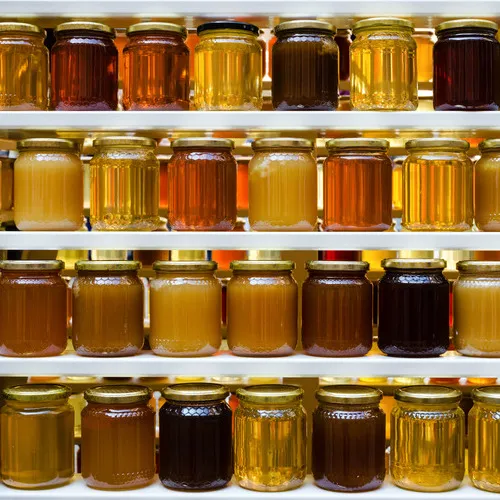
Regular honey can be multifloral or monofloral. Multifloral honey comes from many flowers, so its qualities shift with season and region. Monofloral honeys such as clover, kamahi and thyme are tested to meet minimum pollen levels for their type, along with other checks to confirm they are truly monofloral. Regular honey is typically gently heated and filtered to produce a clear, smooth texture. There is no recognised global grading or quality system for regular honey, and it works perfectly as an everyday sweetener for food and drinks.
What Makes Manuka Honey Unique?
Regular honey can come from many flowers and shifts with each season. Manuka honey begins in a far more specific setting. It comes only from New Zealand, where the Manuka tree grows in rugged coastal scrub and hill country. The tree blooms for only a short period each year, giving beekeepers a brief and unpredictable window to collect its nectar. This limited flowering season, together with New Zealand's unique environment, creates nectar containing rare natural compounds not found in regular honey at meaningful levels. These compounds define genuine Manuka honey and are central to its scientific identity. Manuka honey is identified by three key markers set by New Zealand's Ministry for Primary Industries: MGO (the main activity marker), leptosperin (found only in nectar from New Zealand Manuka plants) and DHA (which converts into MGO as the honey matures). Manuka honey must also come from nectar of the Manuka tree during its short flowering window and have a confirmed New Zealand origin.
Botanical and Geographical Source
Regular honey can come from almost anywhere in the world. Its character depends on whatever is flowering near the hive - whether it's clover in the Midwest, wildflowers in Europe or citrus groves in South America. As the landscape changes, so does the honey. Manuka honey starts in a far more specific place. It can only come from New Zealand, where the Manuka tree grows in coastal scrub, mountain foothills and remote valleys. This origin is more than a point of pride; it shapes the honey itself. The soils, climate, isolation and short flowering season combine to create nectar that cannot be copied elsewhere.
Processing, Grading and Certification
When it comes to regular honey, there is no universal system that measures its strength, purity or natural activity. It may taste good, but there is no global grading method to show what is inside or how it was verified. Manuka honey is different. Before it can leave New Zealand, it must pass strict scientific tests that confirm its identity and natural activity. This ensures every exported jar meets set chemical and authenticity criteria. To help buyers understand the strength of Manuka honey, two main grading systems are used. The UMF certification verifies authenticity, purity, levels of MGO, DHA and leptosperin, and freshness and long-term quality. The MGO rating shows the exact amount of methylglyoxal in the honey; higher numbers mean stronger antibacterial activity, providing a clear way to compare strength and helping consumers and commercial buyers choose the level they need.
Price and Market Considerations
Many people wonder why Manuka honey sits in a different price bracket to regular honey. It is not mass produced. It is shaped by nature, science and strict New Zealand regulations that protect its authenticity. True Manuka honey can come only from New Zealand, which limits supply from the start. The Manuka tree also flowers for a short, weather-dependent season, giving beekeepers a narrow and unpredictable harvest window. The plant grows in specific regions, often in remote and rugged landscapes, so nectar availability is naturally restricted. Every batch of Manuka honey must then be scientifically tested before it can leave New Zealand. All these factors create a honey that is rare, regulated and scientifically verified.
How to Choose Genuine Manuka Honey?
With global demand for Manuka honey rising, misleading labels have become more common. This makes it important to know what matters. Genuine Manuka honey is not defined by packaging or marketing claims. It is defined by science, proper certification and confirmed New Zealand origin. To choose genuine Manuka honey, look for UMF or MGO grades on the label, an MGO rating with a clear number and New Zealand stated as the origin. Avoid Manuka blends or mixed floral products, jars with no UMF or MGO rating, very low priced products, and labels relying on marketing claims rather than science. Ensure the product provides a batch or traceability code and transparent producer testing information.
Midlands Apiaries: Our Certified Manuka Difference
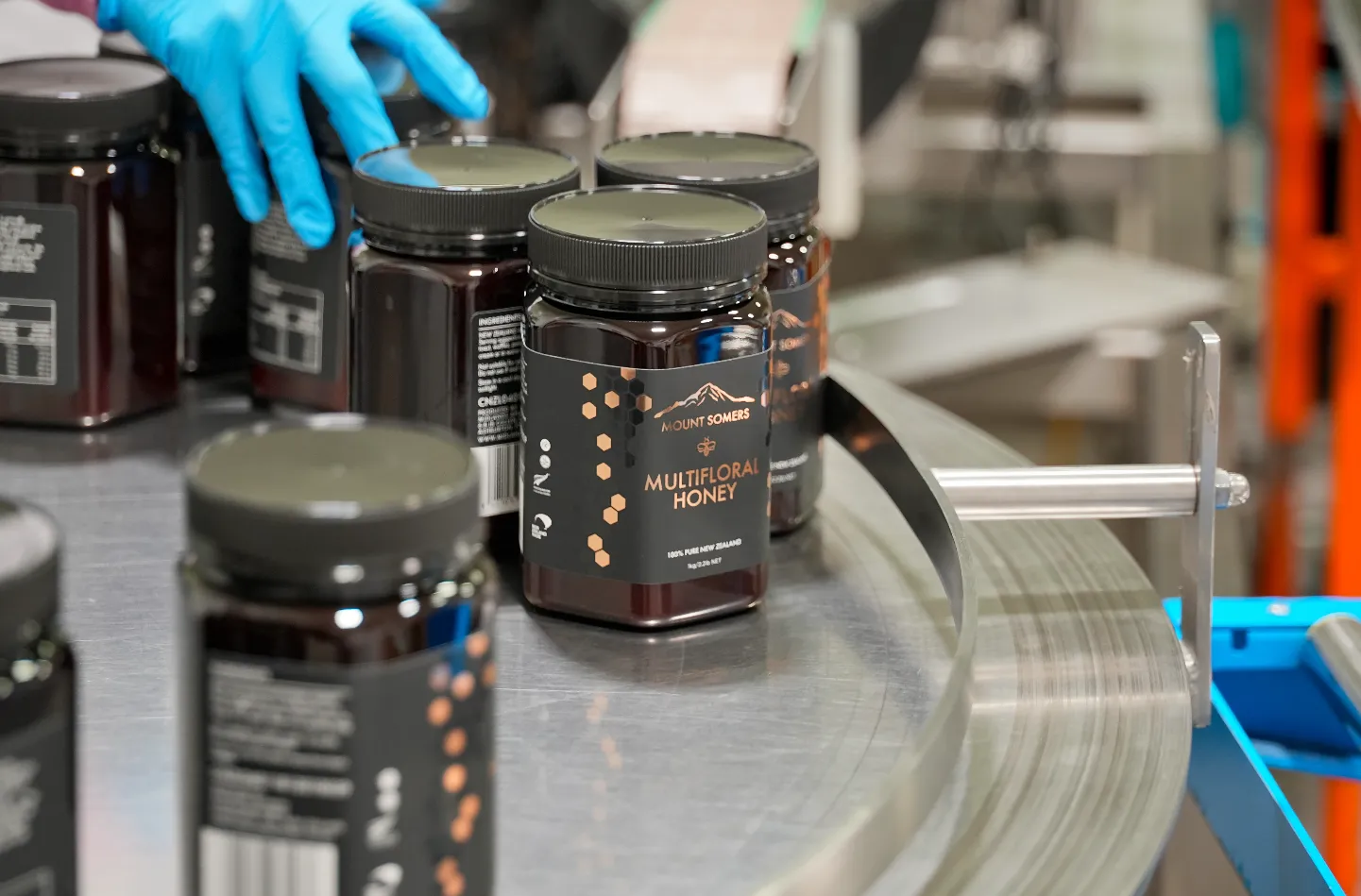
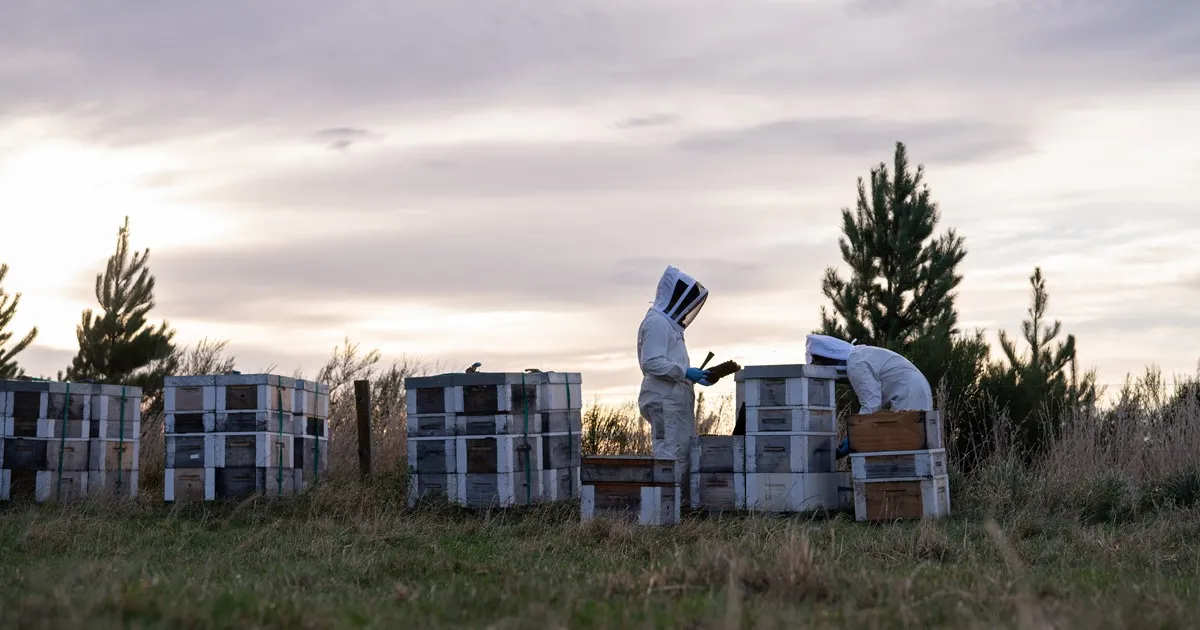
Every jar of authentic New Zealand Manuka honey begins with hive placement in high-quality Manuka regions across the country. Specialist beekeepers select sites using recognised New Zealand Manuka frameworks to ensure bees gather nectar from strong Manuka sources. Once harvested, each batch is tested in controlled laboratories to measure MGO, DHA and leptosperin. These scientific checks confirm the honey meets New Zealand's strict Manuka criteria before it moves any further. From there, the honey enters a managed supply chain that oversees extraction, processing, packing and storage within a controlled system. This approach supports purity, traceability, and consistent grading from hive to final product. The outcome is a range of Manuka honey formats suited to global markets, including bulk ingredients for wellness and skincare applications, as well as retail-ready consumer products.
Summary
- Manuka honey contains MGO, DHA and leptosperin, giving it consistent, measurable antibacterial activity.
- Regular honey can be both multifloral or monofloral with no recognised global grading system.
- Manuka honey is produced only in New Zealand and must pass strict scientific testing.
- UMF and MGO grades confirm authenticity and strength.
- Higher MGO means stronger activity and a higher price.
- Choose Manuka honey with clear grading, New Zealand origin and traceability.
references
New Zealand Ministry for Primary Industries (MPI) – Manuka honey scientific definition, export standards, MGO/DHA/leptosperin criteria
UMF Honey Association – UMF grading system, authenticity and purity guidelines
National Institutes of Health (NIH) – Peer-reviewed research on antibacterial and antimicrobial activity of Manuka honey
Royal Botanic Gardens, Kew – Botanical mapping and classification of Leptospermum scoparium (Manuka tree)
United States Department of Agriculture (USDA) – General honey production information and industry background



Quick Navigation
Contact our team

Steve Williams
BCom (Mgt Sc)
Seed Multiplication Sales Manager
Midlands Seed
+64 27 553 0846seed@midlands.co.nz




Tasman Walker
BCom (Mktg) | BSc (Psy)
Honey Sales - Asia & Australia
Midlands Apiaries
+64 27 237 6318honey@midlands.co.nz
Nick Kerr
BCom (Hons)
Honey Sales - North America & Europe
Midlands Apiaries
+64 27 807 9849honey@midlands.co.nz
Hamish Finnie
BSc (Food Sc. & Hum. Nutr.)
Honey Sales - Greater China Region
Midlands Apiaries
+64 27 405 1273honey@midlands.co.nz