
Flaxseed Oil Manufacturers: How to Choose a Supplier (Without Compromising Quality)
June 18, 2026
Share this post


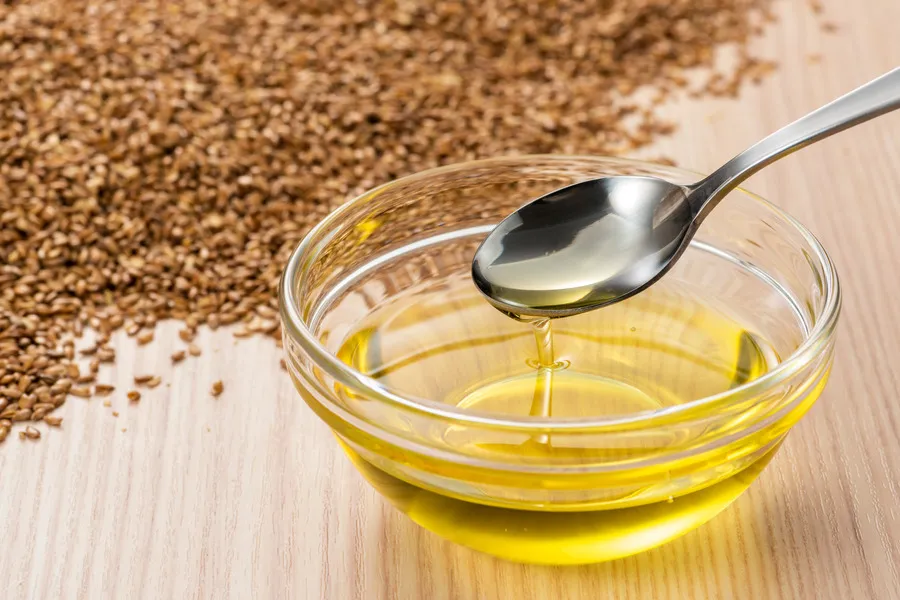
Choosing a flaxseed oil supplier isn’t just about price or availability. For food, supplement, and cosmetic manufacturers, the real test of quality happens after the oil is delivered - when it’s used.
In a market where products can look identical on paper, understanding what actually defines quality is critical.
How to Choose a Flaxseed Oil Supplier (Quick Answer)
To choose a reliable flaxseed oil manufacturer, buyers should prioritise:
- Cold-pressed production methods
- Low peroxide value (PV) with proven stability
- Controlled storage and handling to prevent oxidation
- Full traceability from seed to oil
- Experience producing food-grade oil, not just industrial-grade
Suppliers that meet these criteria consistently deliver better taste, stability, and performance in food and supplement applications.
What Is the Biggest Mistake When Choosing a Flaxseed Oil Supplier?
One of the most common mistakes when choosing a flaxseed oil supplier is focusing on price rather than production standards, as lower-cost oils often compromise on stability, freshness, and long-term performance. While these products may meet specifications at dispatch, they frequently fail under real-world conditions.
Lower-cost products may meet specifications at dispatch, but often fail in real-world use due to oxidation and instability, resulting in poor taste, reduced shelf life, and inconsistent product performance. There is a direct link between how the oil is produced and how it performs.
Why Does Cold-Pressed Flaxseed Oil Matter When Choosing a Supplier?
Processing method is one of the most important factors when choosing a wholesale flaxseed oil supplier, as it directly affects nutritional quality, stability, and end-use performance. Cold-pressed oils retain omega-3 content and natural antioxidants, while more heavily processed oils often lose these properties.
By contrast, refined or solvent-extracted oils:
- Lose nutritional value
- Are more suited to industrial or non-food applications
Cold pressing defines whether the oil is a premium ingredient or a commodity input.
For a deeper breakdown of how extraction impacts nutritional quality, see our guide on the science behind cold pressed flaxseed oil.
Why Does Flaxseed Oil Go Rancid After Purchase?
Flaxseed oil goes rancid quickly because it is highly sensitive to heat, light, and oxygen, which accelerate oxidation and degrade the oil over time. Once this process begins, the oil can develop a bitter taste, lose nutritional value, and experience a significantly shorter shelf life.
Storage conditions are just as important as production quality.
Case Study: When “In-Spec” Oil Fails in Production
We often work with customers who previously sourced flaxseed oil from overseas suppliers where the product met technical specifications acceptable limits, particularly peroxide value (PV).
The issue typically becomes apparent during use, when oil that was within specification at dispatch begins to show increased peroxide values and reduced performance in production environments.
In these cases:
- The oil was within spec when shipped
- But PV increased before it was used
This often leads to poor taste, reduced shelf life, and inconsistent product performance.
In many cases, the oil was within specification when shipped, but by the time it was used, peroxide values had increased. This resulted in poor taste, reduced shelf life, and oil that was no longer suitable for food-grade applications.
At Midlands, we take a different approach:
- We target very low PV for long-term stability, not just compliance
- Oil is stored in controlled conditions
- Exposure to heat, light, and oxygen is minimised
The result is oil that performs consistently in real applications.
What Should You Look for in a Flaxseed Oil Manufacturer?
A high-quality flaxseed oil manufacturer is defined by more than price, with the most reliable suppliers offering strong supply chain control, consistent production standards, and measurable quality indicators that ensure the oil performs as expected in real applications.
Full Supply Chain Control
Manufacturers that control sourcing, production, and processing are able to maintain consistency across every stage of the supply chain, reducing variability between batches and ensuring the oil performs reliably in end applications. This level of control is particularly important for food-grade oil, where even small inconsistencies can impact taste, stability, and shelf life.
Vertical Integration
Vertical integration strengthens quality control by keeping the entire process - from seed development through to final packaging - within a single system. Rather than relying on multiple external suppliers, this approach allows tighter monitoring of inputs, growing conditions, processing standards, and handling practices.
At Midlands, this includes:
- Developed from seeds selected for NZ conditions
- Grown in Canterbury
- Monitored throughout the growing season
- Cleaned and processed to remove foreign material
- Cold-pressed at low temperatures
- Nitrogen-flushed and stored in controlled environments
This level of control reduces the risk of contamination, inconsistency, and variability, ensuring the oil maintains its quality from production through to end use.
Proven Quality Metrics
Reliable suppliers focus on measurable quality indicators that reflect how the oil will perform over time, not just whether it meets specification at dispatch. These metrics provide a more accurate indication of stability, shelf life, and suitability for food-grade applications.
Key indicators typically include:
- Low peroxide values
- Stability over time (not just at dispatch)
- Controlled processing environments
Focusing on these factors ensures the oil remains stable and fit for purpose throughout storage, transport, and use, not just at the point it leaves the factory.
Supplier capability should be supported by evidence relating to the oil itself. Buyers can review seed origin, sensory condition, acid and peroxide value testing, filtration, storage and handling controls. See how to assess flaxseed oil quality.
How Does Application Affect the Type of Flaxseed Oil You Need?
Not all flaxseed oil is suitable for every application, as different uses place different demands on quality, stability, and composition. Understanding how the oil will be used is critical when selecting a supplier.
Different uses require different specifications:
- Food: flavour, freshness, stability
- Supplements: omega-3 content and shelf life
- Cosmetics: functionality over taste
- Technical use: cost-driven, not for consumption
A strong supplier will align the oil to your intended use.
What Packaging and Supply Constraints Should Buyers Consider?
Packaging is an important consideration when choosing a flaxseed oil supplier, as it directly affects logistics, storage, and usability across different production scales. Suppliers that offer flexible formats are often better suited to a wider range of applications.
Bulk Flaxseed oil is typically supplied in a range of packaging formats, including:
- Small containers (1L)
- Jerry cans
- Drums
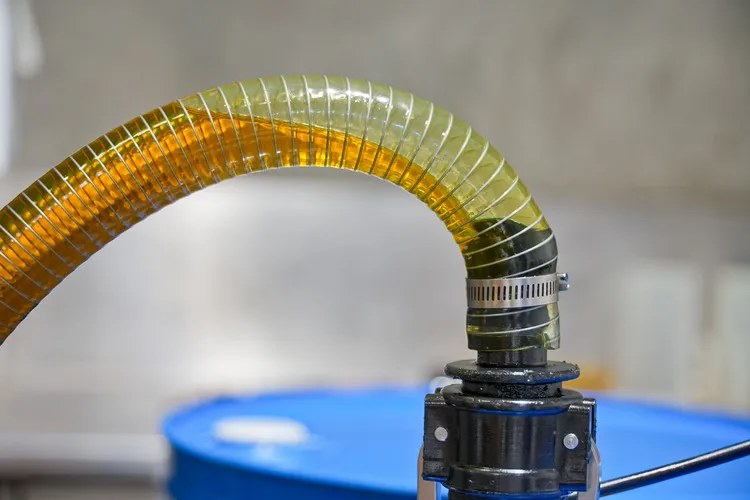
- Large bulk containers (up to 1000L)
Some suppliers only offer large drum volumes, which may not suit all operations.
Flexibility in packaging and MOQ is an important supplier advantage.
Why Is Traceability Important in Flaxseed Oil Supply?
Traceability is critical in flaxseed oil supply because it allows buyers to track the product through every stage of production, processing, and distribution, reducing the risk of contamination, inconsistency, and compliance issues in food-grade applications.
It plays a critical role in:
- Ensuring food safety
- Verifying quality claims
- Identifying risks in the supply chain
Strong traceability reduces the risk of contamination, inconsistency, and compliance issues.
For an overview of how supply chain control impacts large-scale production and consistency, read How Midlands Supports Bulk Flaxseed Oil Supply for Global Markets.
Why Choose a New Zealand Flaxseed Oil Supplier?
Buyers choose New Zealand flaxseed oil suppliers because of the strong emphasis on food safety, traceability, and controlled production environments, which result in more consistent quality and better performance compared to lower-cost, less regulated markets.
In New Zealand, production is typically more integrated and transparent, allowing suppliers to maintain control from seed selection through to final processing and packaging. This level of control reduces the risk of contamination, inconsistency, and variability between batches - issues that are more common in global commodity supply chains.
New Zealand also has strong international recognition for high-quality agricultural production, which supports clean-label positioning and gives buyers confidence in both product integrity and regulatory compliance.
For manufacturers producing food, supplements, or premium consumer products, this consistency and traceability can be the difference between a reliable ingredient and one that creates downstream quality issues.
At Midlands, this extends further:
- Full control from seed to finished oil
- Clean-label production
- Strict handling and storage conditions
This results in:
- Higher quality oil
- Better taste and stability
- Greater confidence for food-grade applications
Final Thought: Quality Is Proven After Delivery
The true test of a flaxseed oil supplier is not whether the product meets specification at dispatch, but whether it still performs when it is used. Oil that cannot maintain quality through storage and handling ultimately fails in real-world applications.
Buyers who understand this shift their focus from:
- Price → performance
- Specification → stability
- Supplier → supply chain
That’s what separates a commodity ingredient from a high-quality one.
Find more answers
Frequently Asked Questions
What is the difference between cold-pressed and refined flaxseed oil?
Cold-pressed flaxseed oil is extracted at low temperatures without chemicals, preserving omega-3 content and natural flavour. Refined oil undergoes processing that reduces nutritional value and is typically used for industrial or non-food applications.
What is a good peroxide value (PV) for flaxseed oil?
A good flaxseed oil should have a low peroxide value, indicating minimal oxidation. More importantly, it should remain stable over time, not just meet specifications at dispatch.
Why does flaxseed oil go rancid quickly?
Flaxseed oil is highly sensitive to light, heat, and oxygen. Improper storage or handling can accelerate oxidation, leading to poor taste and reduced shelf life.
How can I tell if a flaxseed oil supplier is a manufacturer or a trader?
Manufacturers typically control the production process, including sourcing, pressing, and quality testing. Traders often source from multiple producers and may not have direct control over quality or consistency.
What certifications should a flaxseed oil supplier have?
Food-grade flaxseed oil suppliers should meet recognised international food safety standards and provide documentation supporting quality, traceability, and compliance.
What packaging options are available for bulk flaxseed oil?
Bulk flaxseed oil is commonly supplied in formats ranging from small containers to drums and large bulk units. The right packaging depends on your production scale and storage capabilities.
Is flaxseed oil suitable for all applications?
No. Flaxseed oil varies depending on its intended use. Food-grade oil requires high freshness and stability, while cosmetic or technical-grade oil may prioritise cost over flavour or nutritional value.
Why is traceability important in flaxseed oil sourcing?
Traceability ensures visibility from seed to finished oil, reducing risk of contamination, inconsistency, and quality issues especially important for food and supplement applications.
Why choose New Zealand flaxseed oil over lower-cost imports?
New Zealand producers typically offer stronger traceability, stricter food safety standards, and better quality control, resulting in more consistent and reliable oil performance.
references



Quick Navigation
Contact our team

Australia

New Zealand

New Zealand


.webp)



